

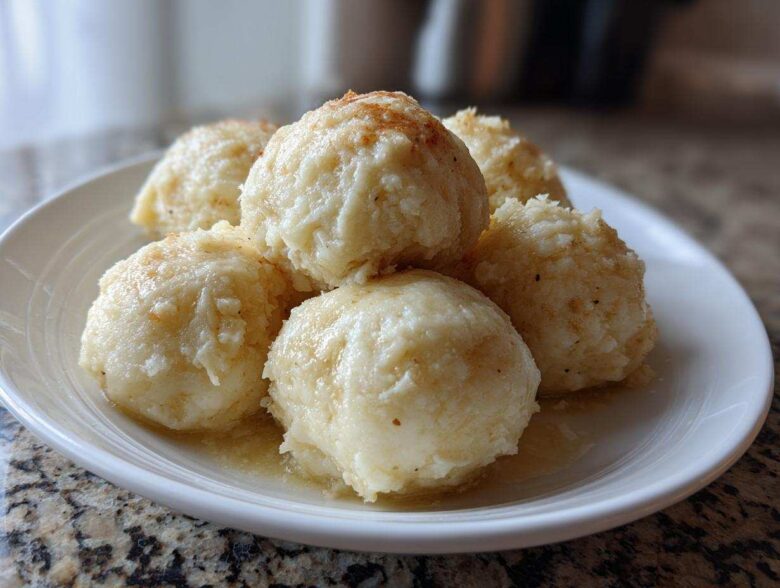
There are just some dishes that feel like a warm hug when the weather turns cooler, right? For me, nothing screams ultimate comfort food quite like perfectly tender, hearty potato dumplings. Liam first introduced me to these European wonders when we were looking for authentic side dishes to go with a roast. Honestly, when I first saw the mountain of potatoes involved, I thought, “Oh no, this is way too technical for me.”
But Liam walked me through it, gently showing me how the texture changes as you mix, and suddenly, I got it! It wasn’t just a list of steps; it was science you could eat. That’s why I’m so excited to share this recipe with you. We are focusing today on the classic German version—the Kartoffelklöße—because based on what everyone seems to be searching for, this is the traditional, show-stopping recipe you really need in your repertoire. If you’re looking for more of the stories behind our favorite finds, don’t forget to check out our main blog page!
Why You Will Master These Classic German Potato Dumplings
I know, I know, homemade dumplings sound intimidating! But Liam promised me—and now I promise you—that this recipe is totally achievable, even if your kitchen history is just microwaving leftovers. That’s the whole point of TasteTaught, right? We make the classics doable!
- You’ll get that pillowy, fluffy texture that melts in your mouth.
- The traditional German flavor is absolutely unmatched when paired with savory gravy.
- Once you nail the technique, the assembly is incredibly quick!
- These make the most incredible hearty side dishes for any Sunday dinner.
Gathering Ingredients for Perfect Potato Dumplings
Okay, step one in making these amazing savory dumpling tutorials happen is getting your ingredients lined up. Liam is so strict about this part because the wrong potato can totally ruin your fluffy dumplings dream! For the very best potato dumplings, you absolutely must use a starchy potato, like a Russet. Waxy ones just don’t break down right, and we want smooth, tender dough, not gummy messes.
We are keeping this simple, just like the traditional potato recipes demand. Keep these right by your bowl while you work. If you want to see another simple potato dish we love, check out how we make quick little Irish potato farls for breakfast!
Essential Components for Homemade Potato Dumplings
- 1.5 lbs starchy potatoes (Russets are my favorite, peeled and ready for boiling).
- 1 cup all-purpose flour.
- 1/2 cup fine semolina or potato starch—I highly recommend the potato starch if you can grab it; it makes the final texture lighter!
- 1 large egg, lightly beaten.
- 1/2 teaspoon salt, mixed right into the dough.
- A tiny pinch of nutmeg. Trust me, it wakes up the potato flavor!
- About 1 tablespoon of butter for tossing them once they are boiled.
Step-by-Step Guide: How to Make Potato Dumplings (Kartoffelklöße)
This is where the magic happens! Don’t be intimidated by the steps; just take your time and enjoy the process. Liam always says that cooking is just following directions patiently, and that’s especially true when we are making these wonderful German potato dumplings. You’ll see how simple it is to turn humble potatoes into incredible comfort food dumplings. If you want to pair these with a hearty main course, our recipe for slow-cooker beef stew is perfect!
Preparing the Potatoes and Mixing the Potato Dumplings Dough
First up, we boil those potatoes until they are completely falling apart tender. Drain them really well—and this is important—let them sit for about ten minutes. We want them dry! Excess water makes for gummy dough. Once they’ve cooled just enough that you can touch them, you need to mash them up until they are flawlessly smooth. A potato ricer is your best friend here; you absolutely cannot have lumps if you want that classic texture.
Spread the warm mash out on your counter or a big bowl to help it cool down a bit more. Once it’s just warm, gently sprinkle everything else in: the salt, nutmeg, egg, flour, and your starch. Now, here is the biggest secret: mix minimally! Use your hands to bring it together, but stop mixing the second it looks like a cohesive dough. If you work it too much, you’ll develop the gluten too much, and you’ll end up with tough, heavy potato dumplings instead of light, fluffy ones. We are aiming for tender!
Shaping and Cooking Your Fluffy Dumplings
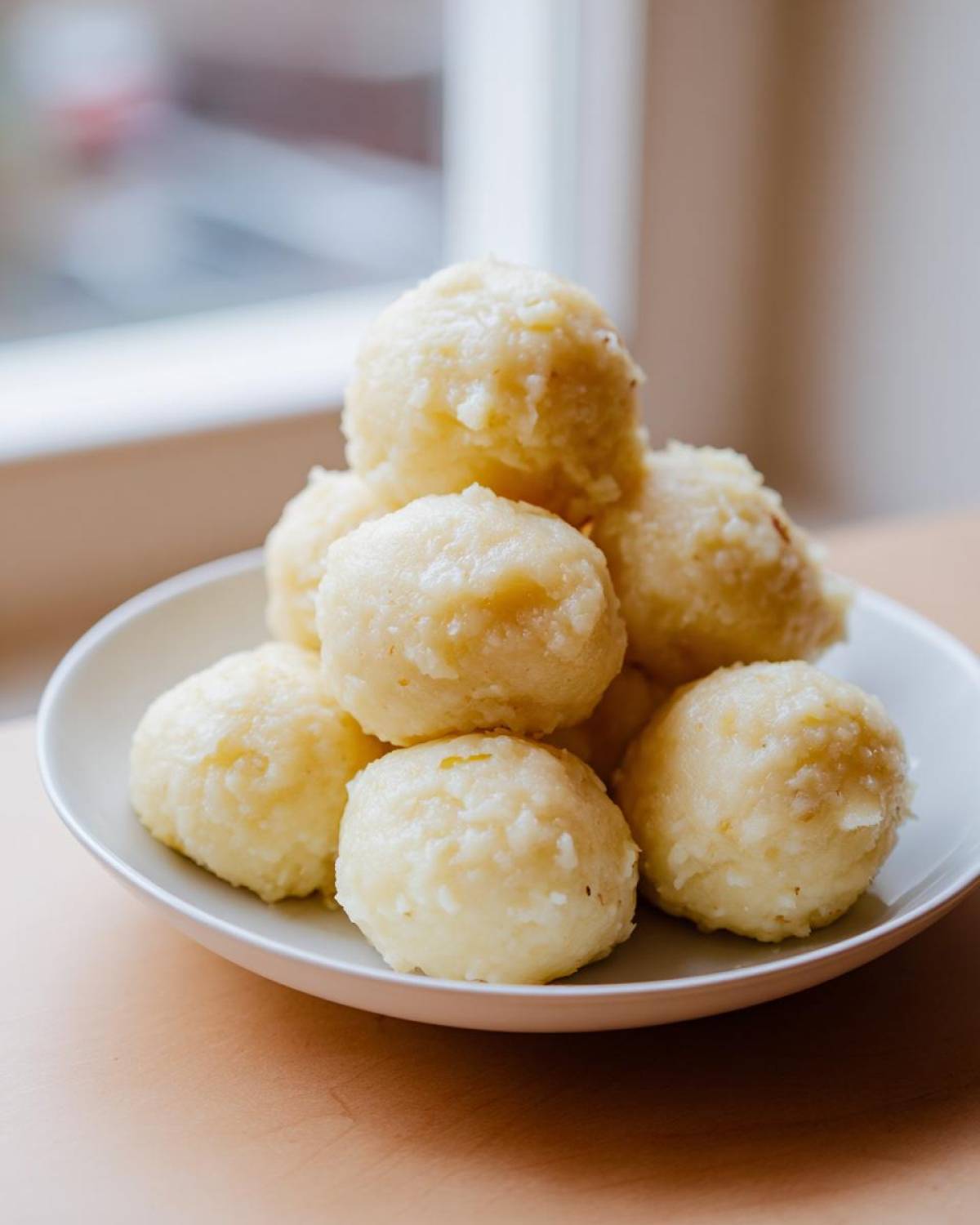
Okay, time to make the actual potato balls! Lightly flour your hands—just a whisper of flour is all you need. Divide the dough into small portions and roll them between your palms until you have smooth balls, generally about 1.5 to 2 inches wide. They should look like perfect little white spheres.
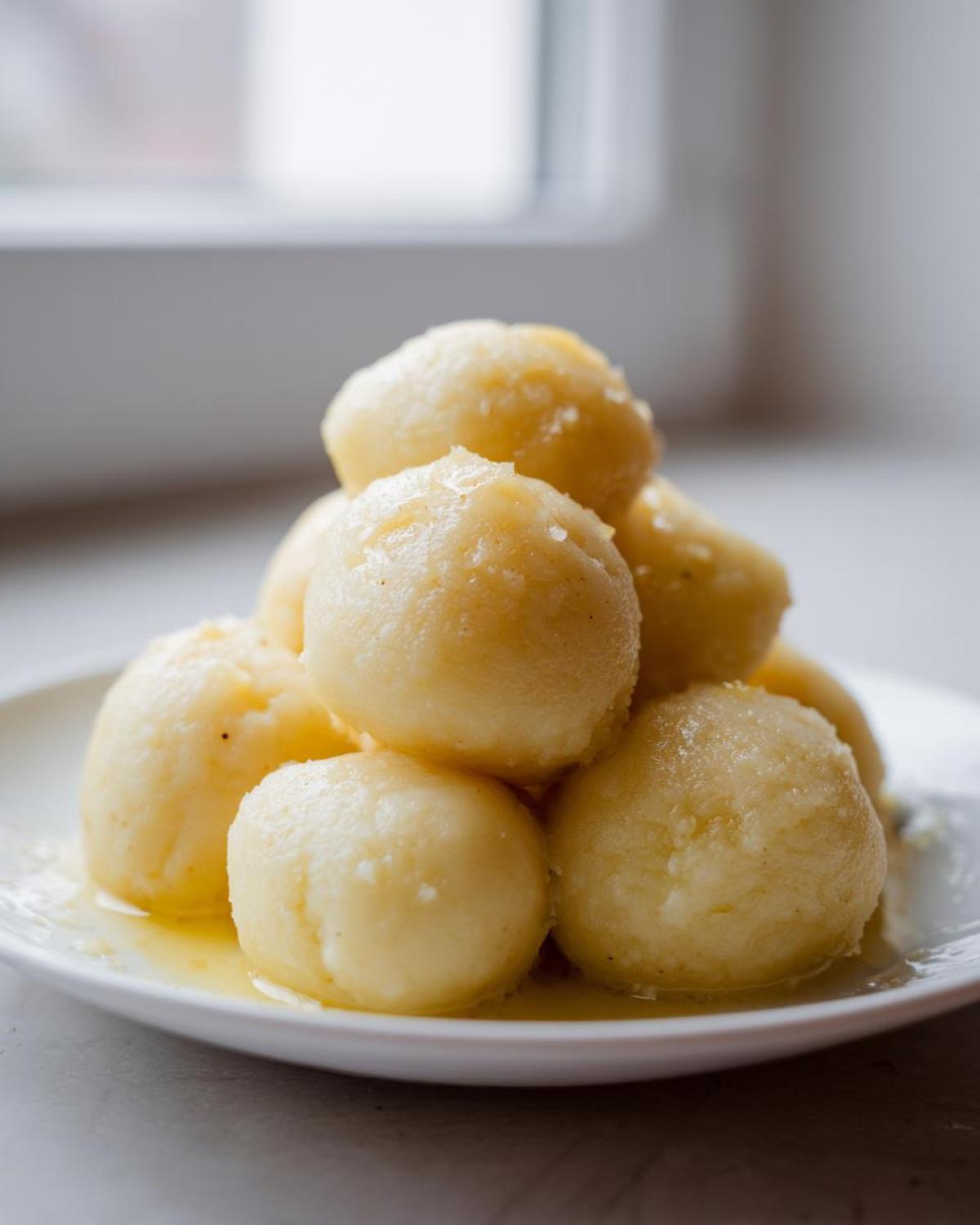
Get a large pot of water on the stove, lightly salted, and bring it up to a very gentle simmer. I stress gentle! If the water is boiling rapidly, it will tear your potato balls apart before they set. Carefully drop your dumplings into the water. Work in batches so you don’t shock the water temperature. They will sink at first, which is normal. Wait until every single dumpling floats happily to the top. Once they float, leave them alone for another 5 to 7 minutes. That finishing time inside ensures the center is cooked perfectly. You can find a beautiful example of how to serve these right over at this amazing recipe!
Pro Tips for Achieving the Best Potato Dumplings Texture
Now that you’ve made them once, let’s talk about taking your technique up a notch. Remember how I stressed using starchy potatoes? That’s tip number one for guaranteeing that soft, beautiful interior. If you use waxy potatoes, you’re fighting an uphill battle against stickiness. Don’t do it to yourself!
Another thing Liam taught me is that if you have leftovers, you’ve hit the jackpot for **best potato dumplings** the next day! Once they are boiled, just toss them with a little melted butter to stop them from sticking together in the fridge. Then, the next night, skip the microwave.
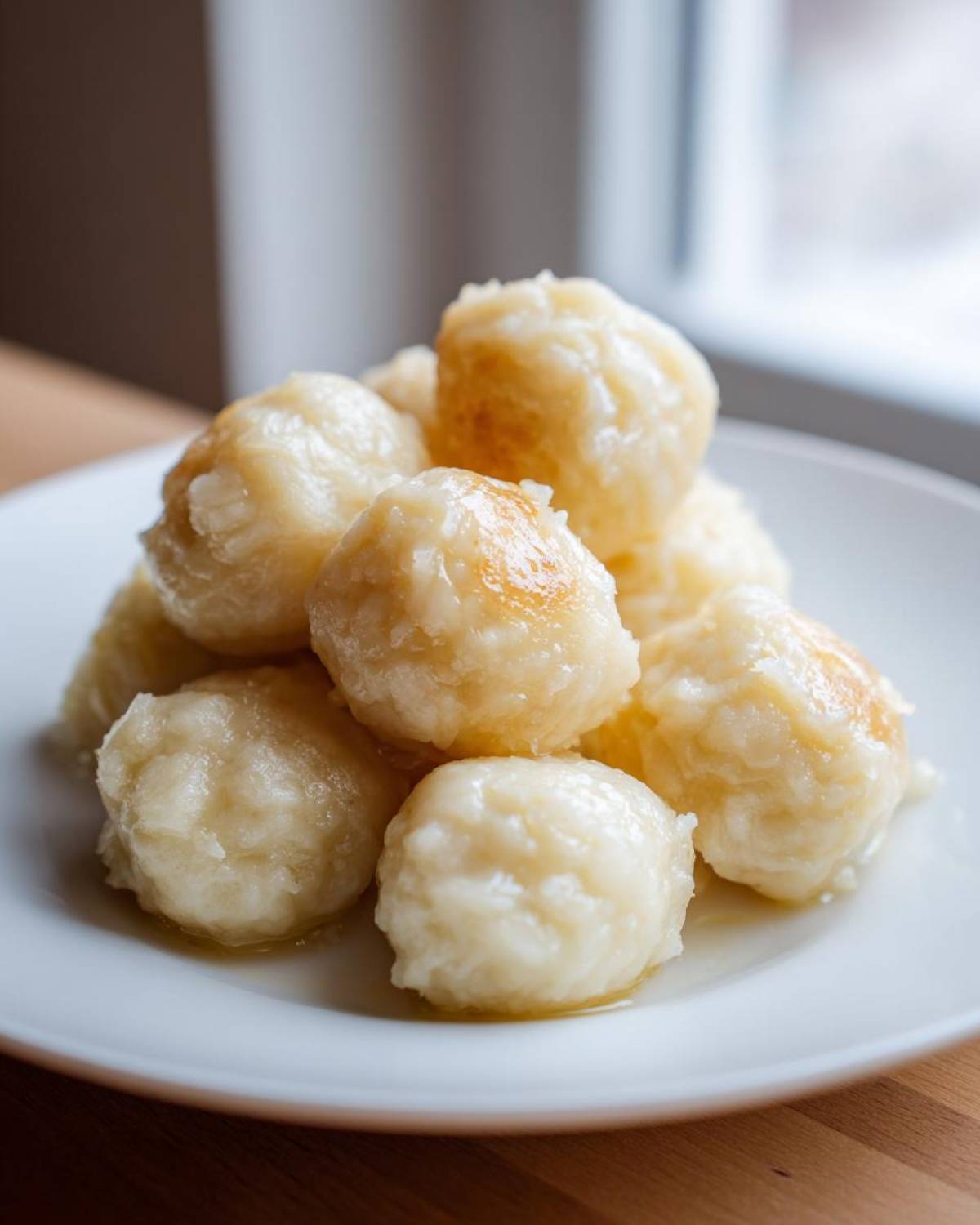
For the most amazing texture experience, you have to try pan-frying them! Slice up any leftovers you have and toss them in some hot butter until they get golden brown and a little bit crispy on the outside. It’s a game-changer! If you love that crispy exterior, you might also enjoy the texture we get on our chicken fried steak—it’s all about that perfect crust!
Serving Suggestions for Hearty Side Dishes
So, you’ve nailed the technique and have a beautiful batch of tender, fluffy potato dumplings! Now, the fun part: what do we eat them with? Since this recipe is focused on the classic German Kartoffelklöße, they demand something rich. Think thick, savory gravy from a pot roast or maybe served right alongside a perfectly seasoned pork roast. That little bit of butter we tossed them in helps catch all those delicious drippings, too!
But honestly, these European dumpling recipes are so versatile. If you have some inspiration from Poland, try serving them simply, just tossed in brown butter and maybe a little cottage cheese or farmer’s cheese if that’s your style. Or, if you’re looking for something totally different but equally comforting, they are fantastic stirred into a hearty bowl of chili, like my stovetop chili recipe!
If you want to see how the Polish versions, known as Kopytka, utilize them differently, this recipe over at Everyday Healthy Recipes shows them paired with mushroom sauce. It’s all about celebrating this simple, amazing potato side dish!
Storing and Reheating Homemade Potato Dumplings
Alright, you’ve made a huge batch because, duh, who doesn’t want leftovers? That’s the beauty of these traditional potato recipes! You can totally store your cooked potato dumplings in an airtight container in the fridge for up to three days. They tend to get a little firm when cold, but don’t panic; we have easy fixes.
Reheating is best done gently. Skip the microwave if you can—it steams them too much. Instead, steam them briefly, or my favorite cheat: toss the cold guys straight into a hot skillet with a little melted butter and let them warm up while getting a beautiful golden crust. Speaking of delightful leftovers, if you’ve ever made easy crescent roll apple dumplings, you know how great those crisped-up edges are!
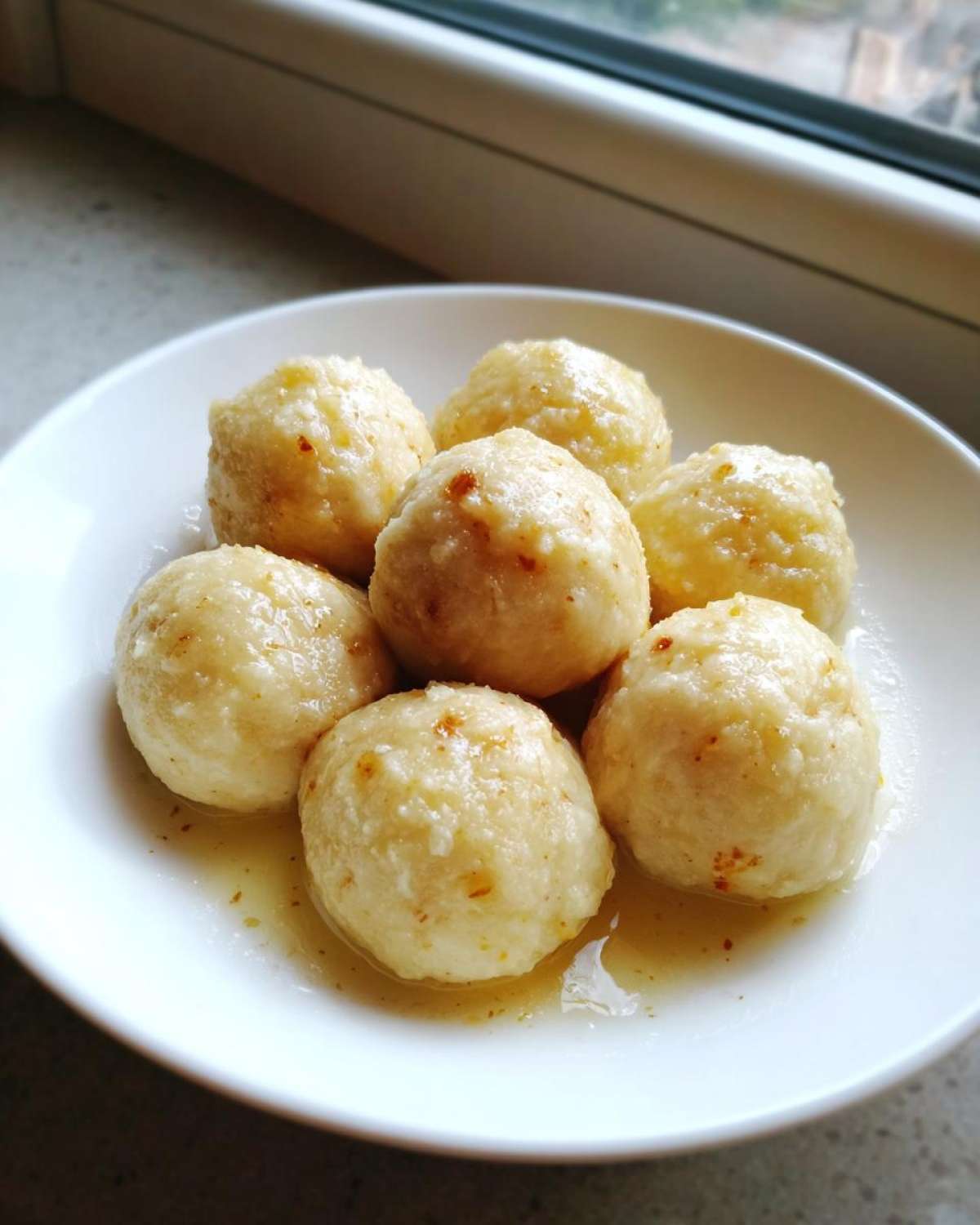
Understanding Regional Variations of Potato Dumplings
One of the things I love most about European cooking is how one simple thing—potatoes mashed and formed—can turn into totally different treasures depending on where you are! When I started researching this, I realized that while our German Kartoffelklöße are amazing, they aren’t the only game in town. It really shows Liam how much I’m learning about food history now that I’m TasteTaught!
Knowing these slight differences helps you appreciate the tradition behind each scoop of dough. Some versions focus on tenderness; others aim for that slightly chewy bite. We briefly mentioned Polish dishes earlier, and their approach to potato dough is quite different from the German style we just mastered.
Kopytka vs. Kartoffelklöße: Key Differences
The main thing to understand is the starch ratio. Our German recipe relies heavily on cooked floury potatoes mixed with flour and semolina (or starch) to create a dense but soft sphere. They are meant to soak up gravy!
Now, Polish Kopytka, which translates roughly to “little hooves,” are usually made with leftover mashed potatoes and often have a higher ratio of wheat flour, making them less potato-heavy and resulting in a texture that’s softer and doughier, almost like a gnocchi, but usually shaped into small diamond patches.
Then you have the Czech variations—they have a whole range, but some of those are made with that potato starch base and are incredibly delicate, sometimes even incorporating raw, grated potato for a slightly different chew. If you want to dive deep into the Czech side of things, this resource on Czech Potato Dumplings is fascinating!
Frequently Asked Questions About Potato Dumplings
I love seeing all your questions pop up! It lets Liam and me know exactly what you’re wondering about as you tackle these amazing traditional potato recipes. We gathered a few of the most common ones about making these classic comfort food dumplings.
Can I use leftover mashed potatoes for these potato dumplings?
Yes, absolutely you can! This is one of my favorite ways to use up leftovers, which is why I included it in the notes. The key thing you have to remember, though, is that the mashed potatoes must be cold and really firm before you mix them with the flour and egg. If they are warm or too soft, the dough will be too sticky, and your dumplings will fall apart in the simmering water!
What is the best way to serve these comfort food dumplings?
For this specific German recipe, the absolute best way is smothered in a rich brown gravy, usually served alongside a roast or sauerbraten—they are made to soak up all that flavor! But honestly, you can’t go wrong with the simplest method Liam and I use sometimes: just toss the finished potato dumplings with melted butter until they look shiny and serve immediately. Pan-frying the leftovers later, as I mentioned, gives you a fantastic crispy texture, too!
We’ve written up so many great ways to use potatoes, and if you’re looking for an even easier treat, you have to try my no-bake dirt cake sometime—totally different vibe, but just as much fun to make! Hopefully, this helps make your journey into easy dumpling recipes a success!
Nutritional Estimate for This Traditional Potato Recipe
Okay, I’m going to be super honest here—when Liam and I cook traditions like this, we aren’t usually grabbing the measuring cups for the nutrition label! We’re usually just enjoying every single bite (and cleaning up the flour mess later). However, since you deserve to know what you’re eating, I dug into the data based on the ingredients listed in the recipe.
Please remember this is just an estimate based on the average values for the ingredients we used. How you serve them drastically changes the final count—a big ladle of brown gravy, for instance, adds calories fast! This estimate is for two dumplings, plain, right out of the pot.
- Serving Size: 2 dumplings
- Calories: Approximately 210
- Fat: About 3g (mostly healthy fats from the butter we toss them in)
- Carbohydrates: Around 44g
- Protein: Roughly 5g
- Sugar: Very low, around 0.5g
- Cholesterol: About 30mg
See? Even as a hearty side dish, they’re relatively simple when served traditionally. It’s mostly potato and starch, which is why they are so satisfying! I hope knowing the basics helps you fit this comforting side dish into your meal planning!
Share Your TasteTaught Journey
That’s it, friends! You’ve made it through the entire process for mastering some truly authentic German potato dumplings. I remember how nervous I was the first time I tried to roll those perfect potato balls, but now I feel so confident, and that’s exactly what Liam and I want for you here at TasteTaught.
We truly hope you try this Kartoffelklöße recipe and find the same joy we did bringing this classic European dumpling recipe into our kitchen. Did they come out light and fluffy for you? Or maybe you tried pan-frying them and found a new favorite technique?
If you loved this recipe, please take a second to rate it below and tell us what you served them with! Your feedback is how we know we’re teaching things clearly, and we love reading every single comment. If you have any nagging questions at all before you start, don’t hesitate to reach out to us through our Contact Page. We’re always here to help you on your journey from beginner to confident cook!
PrintClassic German Potato Dumplings (Kartoffelklöße) Recipe
Learn to make authentic German Potato Dumplings (Kartoffelklöße). These fluffy, tender dumplings are a perfect hearty side dish for roasts and gravy.
- Prep Time: 25 min
- Cook Time: 30 min
- Total Time: 55 min
- Yield: 4 servings
- Category: Side Dish
- Method: Boiling
- Cuisine: German
- Diet: Vegetarian
Ingredients
- 1.5 lbs starchy potatoes (like Russet), peeled
- 1 cup all-purpose flour
- 1/2 cup fine semolina or potato starch
- 1 large egg
- 1/2 teaspoon salt
- Pinch of nutmeg
- 1 tablespoon butter (for serving)
Instructions
- Boil the potatoes in salted water until very tender. Drain them well and let them steam dry for about 10 minutes.
- While the potatoes are still warm, pass them through a potato ricer or mash them thoroughly until completely smooth. You must avoid lumps.
- Spread the mashed potatoes on a clean surface or large bowl to cool slightly.
- Add the salt, nutmeg, egg, flour, and semolina (or potato starch) to the potatoes.
- Gently mix the ingredients together using your hands until a cohesive dough forms. Do not overmix, or the dumplings will become tough.
- Lightly flour your hands. Divide the dough and roll it into small, smooth balls, about 1.5 to 2 inches in diameter. This is how you make potato balls.
- Bring a large pot of lightly salted water to a gentle simmer (do not boil rapidly).
- Carefully drop the dumplings into the simmering water. Do not overcrowd the pot; work in batches if necessary.
- Cook the dumplings until they float to the surface. Once floating, let them cook for an additional 5 to 7 minutes.
- Remove the dumplings with a slotted spoon and place them in a bowl. Toss gently with melted butter to prevent sticking.
- Serve immediately with traditional German gravy or roast meat.
Notes
- Using starchy potatoes is key for the best texture. Waxy potatoes will result in a sticky dough.
- If you have leftover mashed potatoes, you can use them, but make sure they are cold and firm before mixing in the other ingredients.
- For a slightly crisp exterior, you can pan-fry the boiled dumplings in butter before serving.
Nutrition
- Serving Size: 2 dumplings
- Calories: 210
- Sugar: 0.5
- Sodium: 180
- Fat: 3
- Saturated Fat: 1.5
- Unsaturated Fat: 1.5
- Trans Fat: 0
- Carbohydrates: 44
- Fiber: 3
- Protein: 5
- Cholesterol: 30