

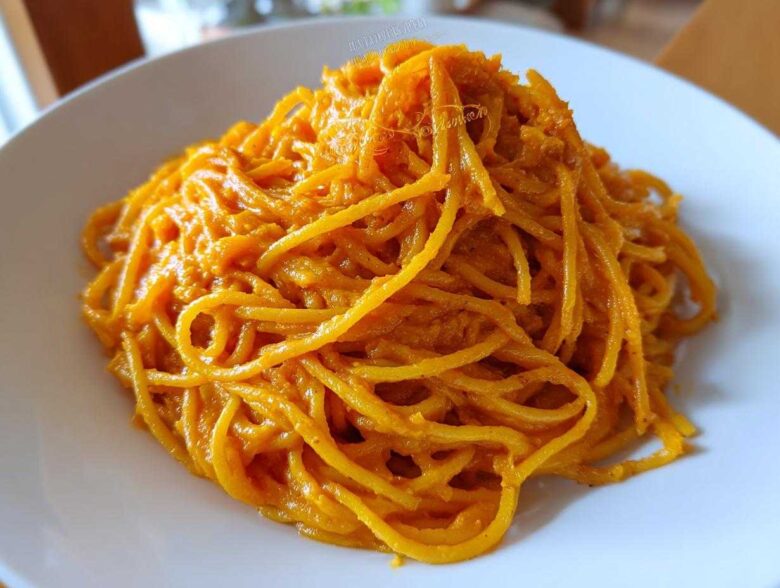
Oh, you guys! When those first crisp autumn days hit, my kitchen completely switches gears, right? I ditch the light salads and dive headfirst into anything that screams cozy comfort. And nothing whispers ‘fall harvest’ louder than a truly incredible butternut squash pasta sauce. Forget watery sauces! I spent three whole seasons tweaking my technique to get this velvety, smooth texture that tastes like it simmered all day, even though it’s perfect for a Tuesday night.
Seriously, the secret isn’t in complicated dairy swaps; it’s all about how you treat that squash! By roasting it just right, you concentrate all those beautiful, nutty sugars. This is hands-down the easiest way to transform a simple vegetable into the best creamy butternut squash pasta sauce you’ll ever make. Trust me, once you try this preparation method, you’ll never go back to boiling your squash!
Why This Creamy Butternut Squash Pasta Sauce Recipe Works
This isn’t just another Fall Vegetable Pasta floating around; it’s truly special because it delivers maximum comfort with minimum fuss. It’s my go-to recipe when I need something hearty and satisfying that doesn’t feel heavy.
- It delivers an unbelievably rich and satisfying Comfort Food Pasta experience without relying on heavy cream.
- It’s easily adaptable, making it a wonderfully Healthy Pasta Sauce that fits vegetarian or even vegan diets!
- The flavor payoff is huge compared to the short active time you put in.
Achieving Velvet Texture in Your Butternut Squash Pasta Sauce
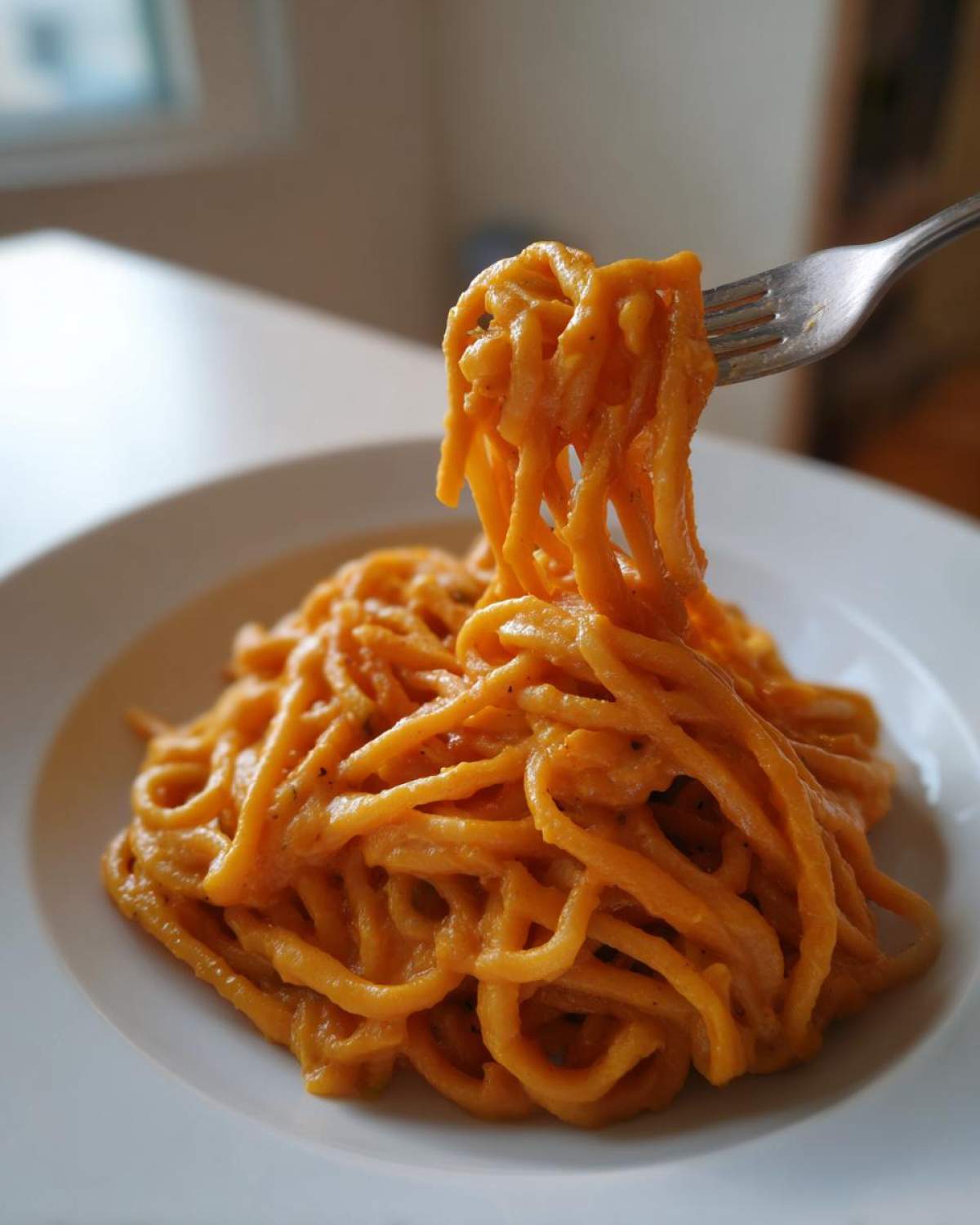
The whole process hinges on the roast, believe me. When you roast the squash until it’s practically melting, you’re caramelizing those natural sugars. That means when you blend it up, you get this incredibly deep, nutty sweetness and that unbelievably fine, velvety texture for your butternut squash pasta sauce. It’s pure magic from the oven!
Quick Prep for a Weeknight Pasta Sauce
I know, your weeknights are crazy just like mine are! The beauty here is that while the oven does all the hard work, your active time is super low—just about 20 minutes of chopping and stirring. With a total time hovering around an hour, this recipe easily qualifies as a fantastic Weeknight Pasta Sauce when you need something quick but soulful.
For more ways to make your squash shine in pasta form, check out my ultimate butternut squash pasta ideas guide!
Essential Ingredients for the Best Butternut Squash Pasta Sauce
Okay, let’s talk supplies! A great butternut squash dinner starts with getting the right backbone for your sauce. I’ve tried cutting corners, and honestly, it just doesn’t give you that deep, satisfying flavor you’re looking for. For this recipe, you’ll need one medium squash—aim for one that yields about three pounds before you even start prepping it, because we want *plenty* of sauce. We use two tablespoons of good olive oil for roasting and cooking the aromatics, plus four cloves of garlic and one small yellow onion, chopped nicely.
Liquid-wise, half a cup of vegetable broth helps get the blender moving, and don’t forget the seasonings! We roll with one teaspoon of dried sage—if you have fresh, use about one tablespoon chopped—plus salt, pepper, and just a tiny pinch of nutmeg. That nutmeg is subtle, but it reminds everyone of Thanksgiving, so don’t skip it!
Ingredient Notes and Substitutions for Your Roasted Squash Sauce
Now, here’s where some people get stuck, especially if they’re trying to keep this homemade squash sauce dairy-free. The secret weapon for that cheesy, savory depth is nutritional yeast. If you’ve never used it, just trust me—a quarter cup blends right in and tastes wonderfully cheesy without any dairy in sight. If you aren’t worried about that, or if you don’t have any on hand, you can skip it, but know the sauce will taste just a touch sweeter.
If you are catering to picky eaters or just don’t like the nutritional yeast vibe, you can substitute it with a quarter cup of heavy cream or half-and-half. It technically stops it from being a Vegan Butternut Squash Pasta recipe, but it still creates that lovely richness. Also, for the sage, I prefer dried because it integrates so well during the blend, but if you are using fresh sage leaves, make sure you chop them finely, or they might feel slightly scratchy against your tongue in the final sauce.
We also reserved pasta water, right? That starchy liquid is non-negotiable. It helps emulsify everything, which is how we keep this a true Dairy Free Pasta Sauce while still achieving that perfect clingy coating on your noodles. If you want to talk savory additions to the base, I have a great recipe for garlic herb butter that you can swirl in at the end for extra decadence!
Step-by-Step Guide to Making Butternut Squash Pasta Sauce
Alright, now for the fun part where we put it all together! I know breaking down instructions can sometimes feel like homework, but trust me, these steps are what turn a good sauce into that ridiculously good, velvety butternut squash pasta sauce you’ve been dreaming of. It’s really just three main phases: Roast, Cook Aromatics, Blend. First things first—make sure you got that oven roaring hot at 400°F (200°C).
While that squash is getting happy in the heat, get your pasta going—remember to cook it just until it’s al dente! And please, no matter how tempting it is, do NOT forget to scoop out at least a cup of that starchy, bubbly water before you drain the noodles. That reserved liquid is the secret handshake for perfect consistency, especially when we are aiming for a naturally thick sauce.
Roasting the Squash for Deep Flavor in Your Butternut Squash Pasta Sauce
This is where the flavor is built, so don’t rush this part! Take your butternut squash and slice it right down the middle, lengthwise. You have to scoop out all those stringy seeds and pulp—get them all out! Then, place the halves cut-side down on your baking sheet. Drizzle the cut side with about one tablespoon of olive oil. We roast this for 35 to 45 minutes, but the real sign of readiness isn’t the clock; it’s the texture. You want the flesh to slide out easily when you test it with a fork; it needs to be very tender. If it fights you, give it another five minutes. We want it collapsing, not resisting!
Blending the Smooth, Creamy Butternut Squash Sauce
Once the squash is done roasting and the onions and garlic are sautéed until sweet, everything goes into the blender. Scoop that soft squash flesh right in there with your onion-garlic mix, vegetable broth, that nutritional yeast magic, and all your spices. Now, start blending! If you have a powerful blender, you might be done in 30 seconds, but even if you’re using a standard one, you need to take your time. Add that reserved pasta water about a quarter cup at a time until it swirls smoothly. I always stop mine mid-blend, scrape down the sides with a spatula just to make sure no chunks are hiding, and then blend again until it looks like liquid silk. This attention to scraping is how you guarantee that smooth finish, every single time. You can check out my guide on keeping things perfectly cooked, like here, if you want more focus on technique!
Tips for the Perfect Butternut Squash Dinner Ideas
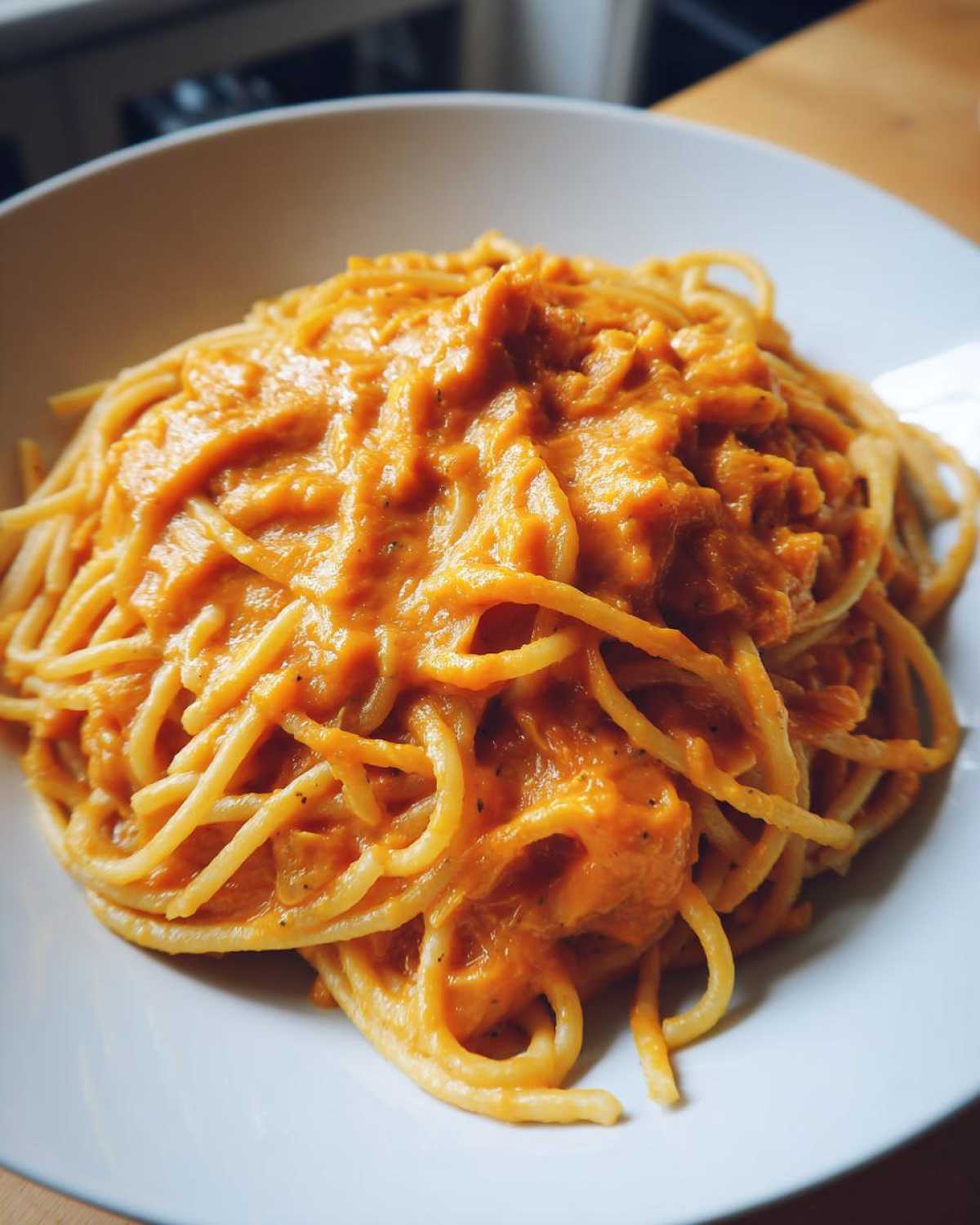
Look, making this sauce smoothly the first time is great, but making it *perfect* every time? That takes a little insider knowledge. These tips are what I learned after ruining a few batches—yes, I’ve definitely gone too heavy on the broth before! If you end up with a sauce that is just a little too thin, don’t panic and run to stir in flour. The best trick I have for saving a thin sauce is just putting the sauce back on low heat on the stove *without* a lid and letting it gently simmer for about 5 to 10 minutes. It will thicken up beautifully as some of that liquid evaporates.
These little adjustments really elevate your Butternut Squash Dinner Ideas from good to restaurant-quality!
Making a Vegan Butternut Squash Pasta Sauce
If you are sticking strictly to our Vegan Butternut Squash Pasta plan, the nutritional yeast is truly your best friend for getting that deep, savory, almost Parmesan-like note. It dissolves right into the hot liquid, and you seriously can’t taste the broccoli or yeast—just creamy goodness!
But just in case you want an extra boost of creaminess without adding dairy, here’s something I experimented with once: soaking about half a cup of raw cashews in very hot water for at least 30 minutes before you start cooking. After they soak, drain them well, and toss them right into the blender with the squash. They blend up completely undetectable but add another layer of richness to the sauce. It’s fantastic, and it keeps the whole dish plant-based and healthy!
Flavor Variations: Sage Butternut Squash Pasta
While dried sage works perfectly fine when blended into the initial roast, if you want a more punchy, aromatic flavor, let’s play with fresh herbs. I often like to use fresh thyme alongside the sage for a really complex, woodsy flavor that pairs so well with the sweetness of the squash. If you’re going this route, wait until the very end—after you’ve blended everything and checked the seasoning—to stir in your fresh herbs.
Another level-up trick for the absolute best Sage Butternut Squash Pasta is using brown butter instead of plain olive oil when you sauté your onions and garlic! Simply melt your two tablespoons of oil in the skillet, but keep heating it past when it melts. It will start to foam, and then you’ll notice little brown specks forming at the bottom, and it’ll smell nutty. That quick step adds incredible depth. Just be careful not to burn it; it goes from nutty to black smoke very quickly!
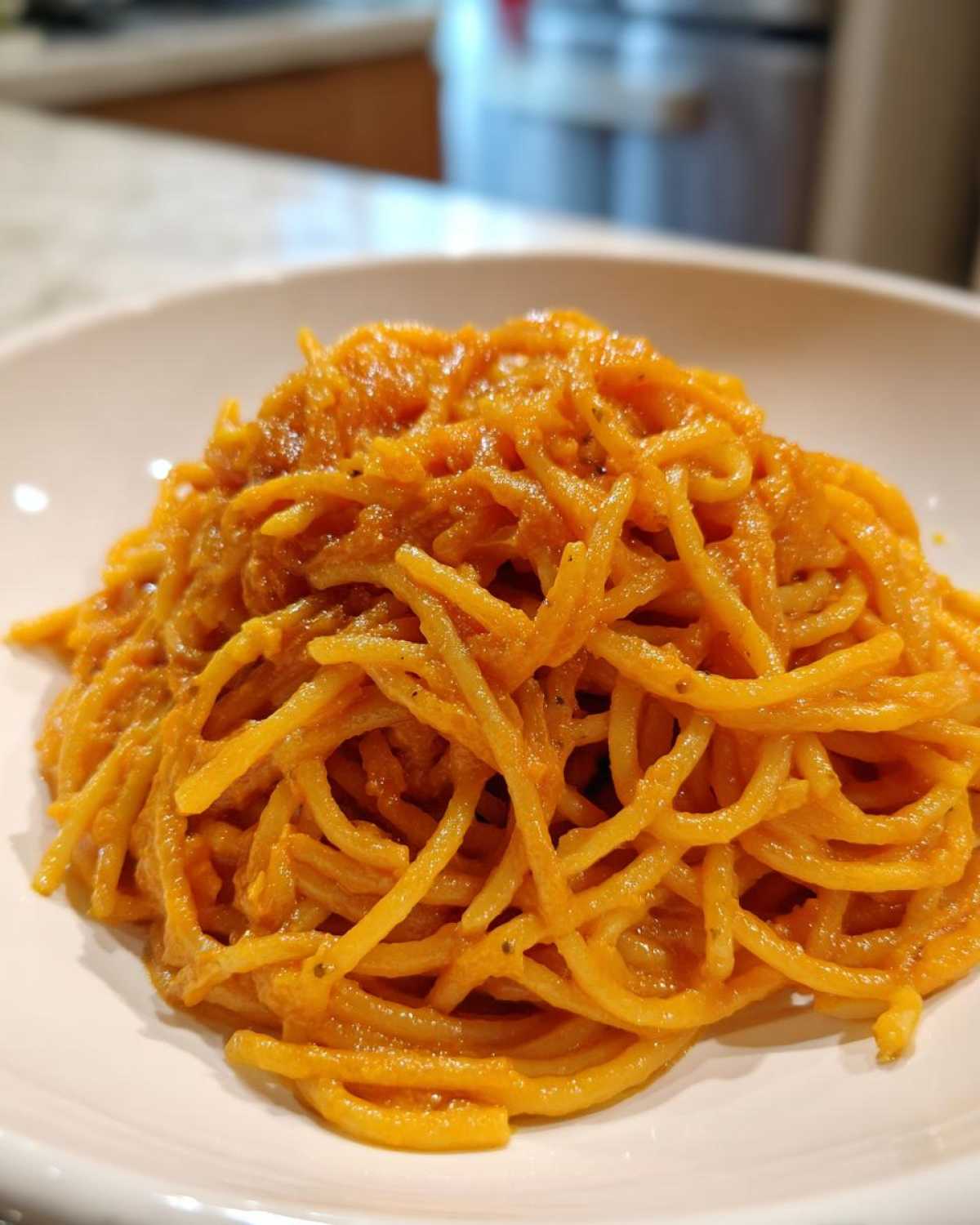
For more inspiration on using seasonal flavors, check out my general seasonal recipe blog section!
Storage and Reheating Your Homemade Squash Sauce
The great thing about making a big batch of this rich butternut squash pasta sauce is that you don’t have to eat it all at once! It’s amazing fresh, but honestly, I think the flavors marry together even better the next day. If you’re planning on keeping it in the fridge, make sure you let the sauce cool down completely first. Don’t put hot sauce into a sealed container; you want to avoid any condensation issues. In an airtight container, this sauce will keep beautifully in the refrigerator for about four or five days.
Now, if you’re one of those super-organized people who likes to prep ahead, this sauce freezes like a dream. I usually portion it out into small freezer-safe containers or even sturdy zip-top bags, squeezing out all the air before sealing them up. You can safely store your homemade squash sauce in the freezer for up to three months. That’s three months of instant, cozy weeknight dinners tucked away!
When you’re finally ready to dig into that frozen goodness, the thawing process is simple. I always move it to the fridge the night before I plan to use it. When it comes time to reheat, be prepared—it will look much thicker than it did when you first made it. That’s totally normal since the starch and vegetable solids settle! Don’t panic and think you ruined it!
To bring it back to perfect pouring consistency, you need to thin it out slowly. Put the thawed sauce in a saucepan over low-to-medium heat. Start stirring in some extra vegetable broth or, even better, a splash of that reserved starchy pasta water we saved earlier. Add the liquid just a tablespoon at a time until it gets back to that perfect, coat-the-back-of-a-spoon texture you loved when it was fresh. It heats up quickly, so keep stirring until it’s piping hot, then toss it with your freshly cooked noodles. You can sneak a peek at my tips for freezing other goodies, like my fudge recipe, for general freezing best practices!
Serving Suggestions for Your Butternut Squash Pasta Sauce
Now that you’ve got this incredibly rich and creamy homemade sauce, the final step is pairing it perfectly! You can’t just dump this velvet gold over any old spaghetti, right? We need shapes that can really cup and hold onto all that goodness from the squash.
My absolute favorites for this sauce are anything with tubes or ridges. Think rigatoni, penne, or even fun shapes like campanelle—those little bell shapes are perfect for catching the sauce in all their folds. If you’re sticking with long noodles, a nice, sturdy fettuccine or pappardelle works great because they have enough surface area to coat properly. Don’t forget to save a little bit of the sauce to stir in after you drain the pasta, just to make sure every single noodle is coated!
Because the butternut squash pasta sauce is so lush and comforting, you really need something bright and crisp on the side to cut through that richness. I always serve mine with a super simple side salad. Nothing fancy, maybe some mixed greens, maybe a few slivered almonds for crunch, and definitely a very sharp, acidic vinaigrette—like lemon and Dijon mustard.
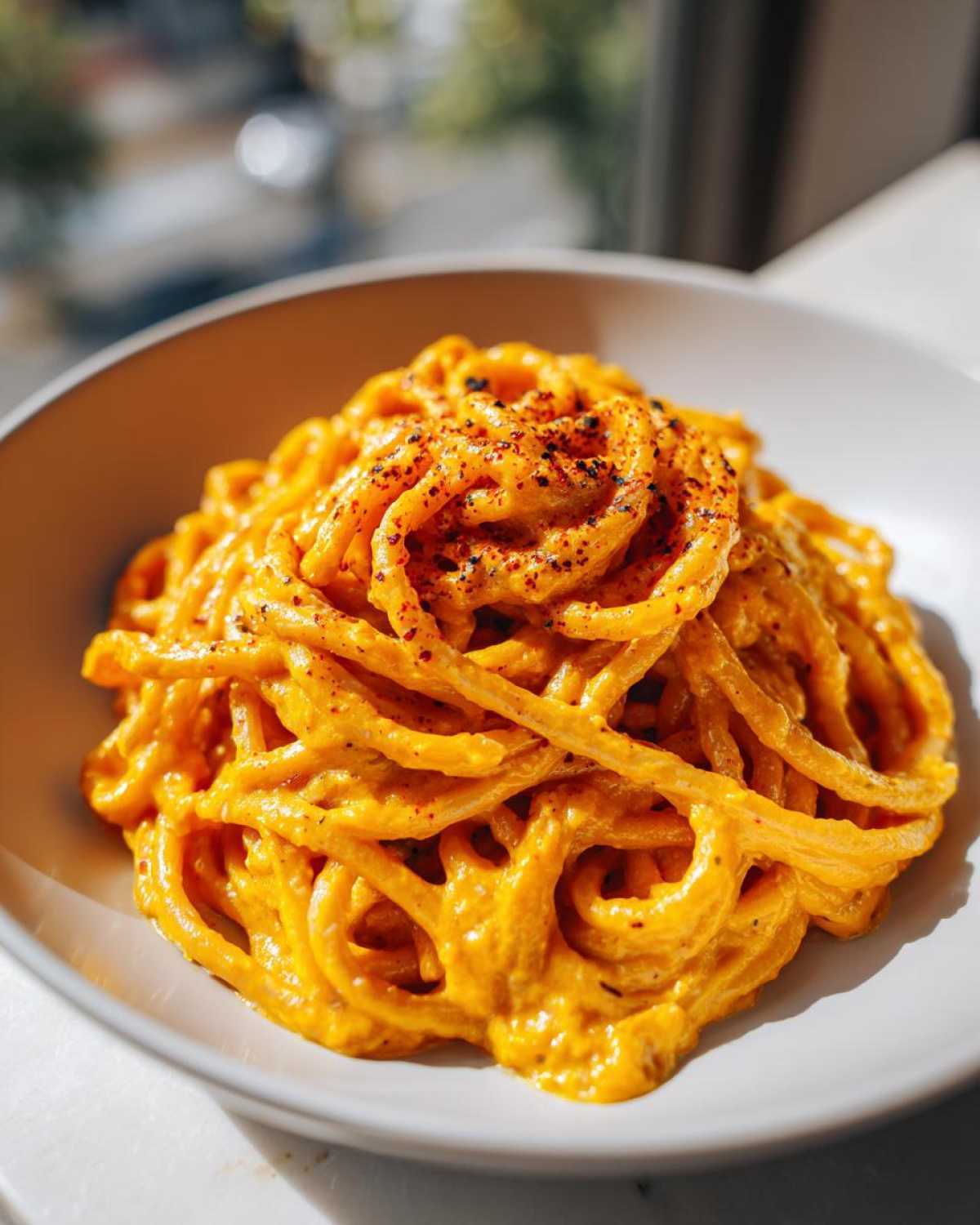
That contrast—the warm, sweet, earthy pasta against the bright, tart salad—that’s what turns this into a truly balanced meal. It makes the whole experience feel lighter, even though you’re eating heavy Butternut Squash Dinner Ideas. If you’re looking for an even quicker side solution, you can swing by and grab my recipe for easy roasted veggies, which technically finishes in the oven while the sauce is being blended. It’s the perfect addition to make this a complete, quick veggie pasta plate!
Frequently Asked Questions About Butternut Squash Pasta Sauce
I totally expected these questions! When you stumble upon a recipe that seems almost too good to be true, naturally you have a few things you need clarified before you commit to an hour in the kitchen. I’ve pulled the top things I always get asked about this recipe, so hopefully, it clears everything right up!
Can I make this Creamy Butternut Squash Sauce without roasting the squash?
Oh, you totally *can* make it without roasting, to be honest, if you’re in a real time crunch! Roasting is what gives this butternut squash pasta sauce that concentrated sweetness and that gorgeous deep color, so I highly recommend it. But, if you are absolutely desperate for a faster Weeknight Pasta Sauce, you can skip the oven and just cube the squash and steam it until it’s fork-tender. Just know that steamed squash has a much higher water content, so your sauce might end up a little paler and slightly less intensely flavored. But hey, it still works in a pinch!
How do I ensure my butternut squash pasta sauce is completely dairy free?
This is the easiest one! If you follow the main recipe and include that nutritional yeast, you are absolutely fine; it’s a dairy-free powerhouse! That little sprinkle is what gives you the wonderful savory, almost cheesy note we associate with great pasta dishes. You don’t need to add any cream whatsoever. Also, just double-check that vegetable broth you’re pouring in. Some supermarket broths sneak in dairy solids for flavor, so if you are strict about being vegan, just grab a brand that explicitly says ‘Vegan’ on the label. That keeps your entire batch of butternut squash pasta sauce 100% plant-based!
What is the best pasta shape for this sauce?
Since this sauce is so wonderfully thick and clings so nicely—thanks to that beautiful blend—you want a pasta shape that can capture all that deliciousness inside its grooves or hollows. Frankly, boring spaghetti just doesn’t do it justice! I always reach for rigatoni because the sauce fills the tube perfectly. Penne is a close second. If you want something a little different, look for orecchiette (little ear shapes) or even cavatappi. Anything with ridges that give the sauce something to grab onto makes the texture experience so much better than a smooth noodle!
If you need help figuring out timing for other dishes, you can always reach out via my contact page!
Estimated Nutritional Information for Butternut Squash Pasta Sauce
I’m not a dietitian, so take these numbers with a hefty grain of salt, but I did run the numbers through an app just to give you a ballpark idea of what you’re consuming when you make a full batch and divide it into four generous servings. This is genuinely a great way to get a lot of veggie content into your diet without feeling weighed down!
For one typical serving, here’s the rough breakdown:
- Calories: Approximately 450 calories
- Fat: Around 12g total fat, very low in that saturated stuff!
- Carbohydrates: We’re looking at about 75g, mostly complex carbs from the squash and pasta.
- Protein: About 18g, especially if you added extra beans or used chickpea pasta.
- Sugar: Pretty low, around 10g, all naturally occurring from the squash and onion sweetness.
The real win here is the fiber! You’re getting about 10 grams of fiber per serving, which is fantastic for digestion and keeping that feeling of fullness long after you finish your Fall Vegetable Pasta!
Share Your Homemade Squash Sauce Creations
I absolutely love seeing you guys in the kitchen making these recipes! Seriously, I get such a thrill when I see photos of your tables laden with this gorgeous orange sauce. If you made this butternut squash pasta sauce and it knocked your socks off, I would be so grateful if you stopped back here and gave it a star rating! Five stars if it deserves it, obviously!
I’m always tinkering, too, so tell me: What did you add? Did you use brown butter? Did you sneak some sneaky mushrooms into the sauté step? Did you make it spicy with a pinch of red pepper flakes? Head down to the comments section right now and share your favorite customization for this creamy, dreamy sauce. I’m excited to see all your wonderful Butternut Squash Dinner Ideas!
For more cooking inspiration and behind-the-scenes info, don’t forget to read up on what we’re all about over here!
Estimated Nutritional Information for Butternut Squash Pasta Sauce
I’m not a dietitian, so take these numbers with a hefty grain of salt, but I did run the numbers through an app just to give you a ballpark idea of what you’re consuming when you make a full batch and divide it into four generous servings. This is genuinely a great way to get a lot of veggie content into your diet without feeling weighed down!
For one typical serving, here’s the rough breakdown:
- Calories: Approximately 450 calories
- Fat: Around 12g total fat, very low in that saturated stuff!
- Carbohydrates: We’re looking at about 75g, mostly complex carbs from the squash and pasta.
- Protein: About 18g, especially if you added extra beans or used chickpea pasta.
- Sugar: Pretty low, around 10g, all naturally occurring from the squash and onion sweetness.
The real win here is the fiber! You’re getting about 10 grams of fiber per serving, which is fantastic for digestion and keeping that feeling of fullness long after you finish your Fall Vegetable Pasta!
Share Your Homemade Squash Sauce Creations
I absolutely love seeing you guys in the kitchen making these recipes! Seriously, I get such a thrill when I see photos of your tables laden with this gorgeous orange sauce. If you made this butternut squash pasta sauce and it knocked your socks off, I would be so grateful if you stopped back here and gave it a star rating! Five stars if it deserves it, obviously!
We all know cooking is about making things your own, and I truly can’t wait to hear how you personalized this. Don’t be shy—did you add a little heat? Maybe swap the sage out completely? Head down to the comments section right now and share your favorite customization for this creamy, dreamy sauce. I’m excited to see all your wonderful Butternut Squash Dinner Ideas!
And if you snap a picture of your finished Quick Veggie Pasta, tag me on social media! Seeing my recipes come to life in your homes is the best part of running this blog for me.
For more cooking inspiration and behind-the-scenes info, don’t forget to read up on what we’re all about over here!
PrintCreamy Roasted Butternut Squash Pasta Sauce
Make a rich, creamy pasta sauce using roasted butternut squash, garlic, and sage. This recipe is easy to prepare and works well for weeknight dinners.
- Prep Time: 20 min
- Cook Time: 45 min
- Total Time: 65 min
- Yield: 4 servings
- Category: Dinner
- Method: Roasting and Blending
- Cuisine: American
- Diet: Vegetarian
Ingredients
- 1 medium butternut squash (about 3 lbs)
- 2 tablespoons olive oil, divided
- 1 small yellow onion, chopped
- 4 cloves garlic, minced
- 1/2 cup vegetable broth
- 1/4 cup nutritional yeast (optional, for cheesy flavor)
- 1 teaspoon dried sage
- 1/2 teaspoon salt
- 1/4 teaspoon black pepper
- Pinch of nutmeg
- 1 pound pasta of your choice
Instructions
- Preheat your oven to 400°F (200°C). Cut the butternut squash in half lengthwise and scoop out the seeds. Drizzle the cut sides with 1 tablespoon of olive oil, then place cut-side down on a baking sheet. Roast for 35 to 45 minutes, or until the flesh is very tender.
- While the squash roasts, cook your pasta according to package directions until al dente. Reserve about 1 cup of the starchy pasta water before draining.
- In a large skillet, heat the remaining 1 tablespoon of olive oil over medium heat. Add the chopped onion and cook until softened, about 5 minutes. Add the minced garlic and cook for 1 minute more until fragrant.
- Scoop the roasted squash flesh into a high-speed blender or food processor. Add the cooked onion and garlic mixture, vegetable broth, nutritional yeast (if using), sage, salt, pepper, and nutmeg.
- Blend until the sauce is completely smooth and creamy. If the sauce is too thick, add a splash of the reserved pasta water until you reach your desired consistency. Taste and adjust seasoning.
- Toss the sauce with the drained hot pasta. Add more pasta water, a tablespoon at a time, if needed to coat the pasta evenly. Serve immediately.
Notes
- For a richer flavor, you can roast the squash with the sage sprinkled over the cut sides before baking.
- If you do not have a high-speed blender, you can mash the squash well and then whisk vigorously with the other ingredients until smooth.
- This sauce freezes well; cool completely before storing in an airtight container for up to 3 months.
Nutrition
- Serving Size: 1 serving
- Calories: 450
- Sugar: 10
- Sodium: 450
- Fat: 12
- Saturated Fat: 2
- Unsaturated Fat: 10
- Trans Fat: 0
- Carbohydrates: 75
- Fiber: 10
- Protein: 18
- Cholesterol: 0