

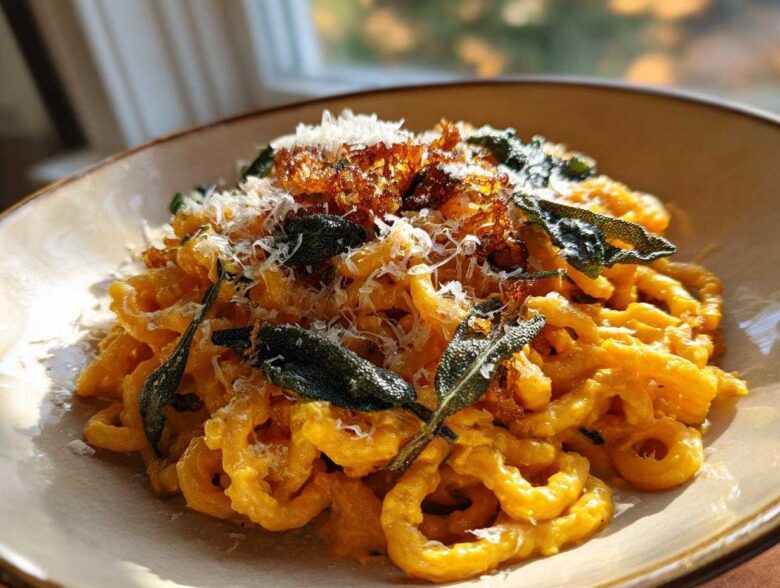
Okay, confession time: As soon as those first crisp autumn leaves hit the ground, my kitchen transforms. Forget light salads; it’s all about deep, cozy flavors, and nothing screams ‘Fall Dinner Comfort Food’ louder than a perfect bowl of creamy butternut squash pasta. I’ve tweaked so many recipes trying to nail that restaurant-quality velvet texture, and trust me—I have finally cracked the code!
The secret isn’t just roasting the squash; it’s adding that incredible depth with crispy sage leaves swimming in nutty brown butter. It sounds fancy, right? But honestly, this entire dreamy dish comes together faster than you’d think for a weeknight. This recipe marries the sweet earthiness of the squash with savory aromatics, creating a sauce that clings beautifully to every piece of pasta. If you’re looking for the ultimate cozy dinner inspiration this season, stop scrolling, because this is the one you need.
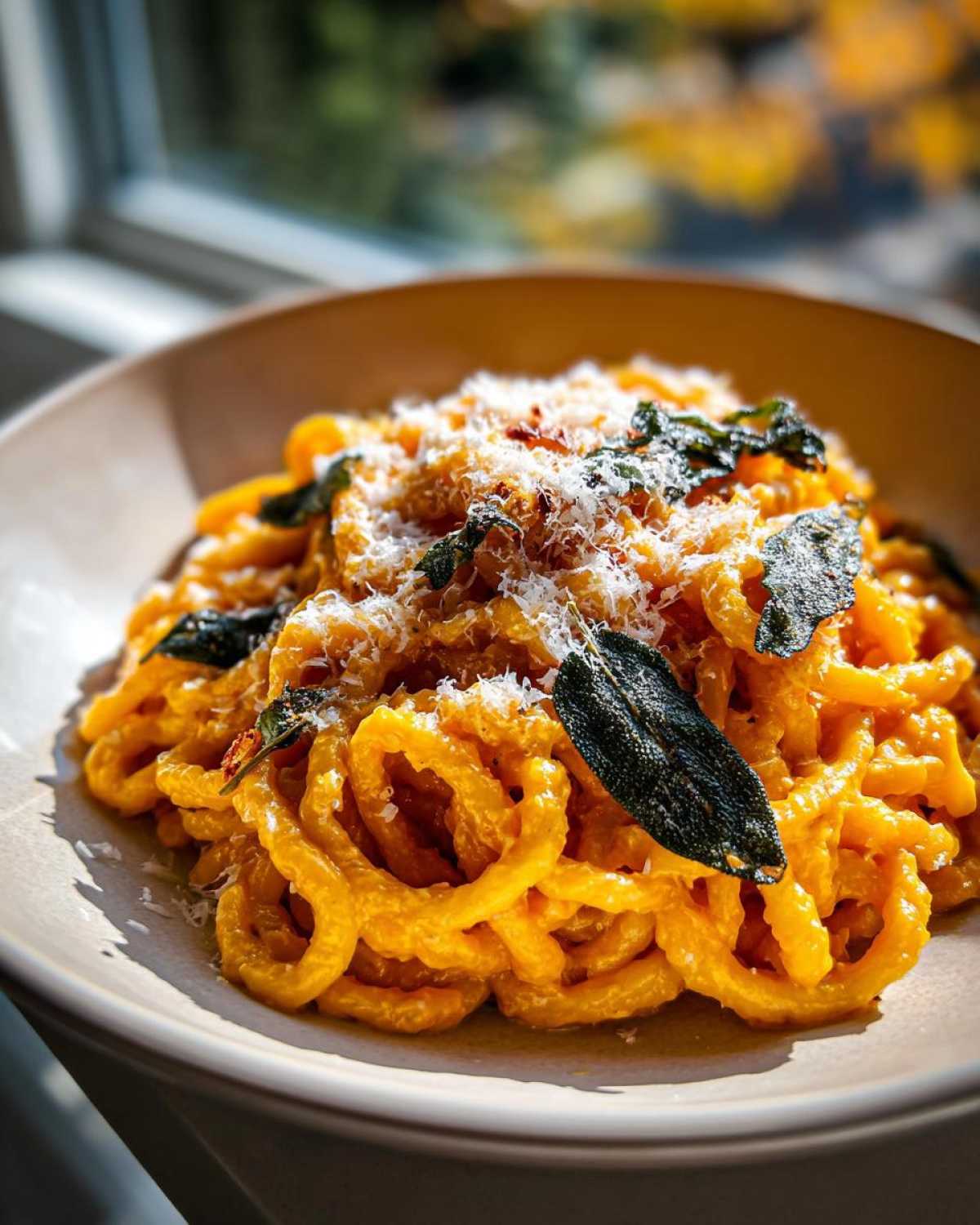
Why This Creamy Roasted Butternut Squash Pasta Stands Out
I know you’ve seen tons of recipes for seasonal squash dishes out there, but this one truly levels up your weeknight dinner game. It’s built on technique, not just ingredients. I promise you, once you master the sauce, you’ll never look back.
- The color is gorgeous! It looks so rich and decadent, but we are skipping heavy cream overload in favor of roasting the squash until it’s naturally sweet and deeply flavored.
- It manages to be sophisticated enough for company but simple enough for a Tuesday.
- The texture is unbelievably smooth, almost like velvet, which is exactly what you want when you’re craving pasta comfort food.
Quick Preparation for Easy Weeknight Pasta
Seriously, the clock doesn’t lie! The total time sits right around 55 minutes, but don’t let that scare you. The 30 minutes the squash spends in the oven? That’s your hands-off time! You can clean up the prep dishes or just sit down with a cup of tea. While it roasts, you’re getting the water boiling and making that amazing butter sauce. It absolutely qualifies as a Quick Pasta Meal.
Flavor Depth: Butternut Squash and Sage
This is where we earn our stripes as home cooks! Standard butternut squash recipes often taste a little flat, right? We fix that by browning our butter until it smells nutty and coating fresh sage leaves in it until they’re crispy little flavor bombs. When you blend that rich, browned butter into the smooth squash puree, you get this savory, aromatic punch. It’s just the perfect balance and miles away from anything basic!
Gathering Ingredients for Perfect Butternut Squash Pasta
Wow, now that we know this dish is worth the effort, we have to talk about what goes into it. Getting the right ingredients isn’t about being fussy; it’s about building that incredible texture we talked about. When you’re making a sauce this pure, every single component counts toward the final velvet finish. Don’t skimp on the quality here, especially the fat!
I’ve organized the list so you can easily tell what’s supporting the sauce and what’s boosting the flavor around the edges. Stick close to these amounts, especially when it comes to the liquid ratios, because that’s what separates a silky smooth sauce from something a little too thin.
Essential Components for Your Butternut Squash Pasta Sauce Recipes
These are the heavy lifters that create the bulk and richness of our sauce. You want the squash to be tender enough so that your blender does zero work!
- You need 1 medium butternut squash (aiming for about 2 lbs), which you must peel, seed, and dice into roughly even cubes so they roast at the same speed.
- For richness, we’re using 1/2 cup of heavy cream. If you’re doing dairy-free, that full-fat coconut milk I use works wonders—don’t worry, you won’t taste coconut, just creaminess!
- We need aromatics: 1 small yellow onion, chopped, and 2 minced garlic cloves to give it that savory depth before we blend.
- Don’t forget the seasonings! A pinch of nutmeg is the secret handshake for squash, along with salt and pepper.
Pasta Selection and Flavor Boosters
The noodle choice matters when you have a thick sauce like this! I absolutely insist on a sturdy shape. Ribbed pasta like rigatoni or nice wide penne bites into the sauce much better than spaghetti ever will. Rigatoni lets the sauce hide inside those little tubes, which is the best!
For flavor boosters, aside from the sage butter we’ll address later, make sure you have that 1/4 cup of freshly grated Parmesan cheese ready to melt right into the puree. That umami kick is crucial. If you’re learning the ropes of Italian-inspired cooking, you might want to check out my basic guide on essential Italian pantry staples—it helps so much!
Step-by-Step Guide to Making Butternut Squash Pasta
Alright, let’s get down to business. This isn’t a recipe where you can multitask poorly; timing is everything for that perfect smooth result. We need everything ready to go when the squash comes out of the oven. Follow these steps closely, and you will have the best butternut squash pasta you’ve ever made, promising rich, ‘From Scratch Pasta Sauce’ quality in under an hour.
Roasting the Squash and Cooking the Pasta
First things first: Preheat that oven to 400°F (200°C). Take your prepped squash cubes—they need about 1 tablespoon of olive oil, a sprinkle of salt (1/2 tsp), and a tiny bit of pepper (1/4 tsp). Spread them out on a baking sheet; they shouldn’t be crowded, or they’ll steam instead of roast! That takes 25 to 30 minutes until they are super soft. While they’re getting happy in the oven, get your pound of pasta going in a big pot of salty water. Cook it until it’s just tender—al dente! The most crucial thing here? Before you even think about draining it, scoop out at least one full cup of that starchy, cloudy pasta water. That liquid gold is our secret weapon for thinning our sauce perfectly later on!
Creating Crispy Sage Brown Butter
This step adds serious aroma and taste, so pay attention! While the squash finishes up, melt your 4 tablespoons of butter in a wide skillet over medium heat. Toss in those 12 fresh sage leaves. You watch the butter—it will melt, then start to foam, and then those foam bubbles will start to quiet down. That’s when you smell that nutty, toasted scent—that’s brown butter! The sage will crisp up almost instantly, usually within 2 to 3 minutes. As soon as the sage looks totally crisp and brittle, use a slotted spoon to yank them out immediately and lay them on a paper towel. If you leave them in, they turn bitter fast, and we want crispy, not burnt!
Blending the Butternut Squash Sauce Recipes Base
While the butter is doing its thing, we start building the body of our sauce. Once the squash is tender, toss it into your blender or food processor. Now you need to get those aromatics involved. Sauté your onion until it’s soft (about 5 minutes), then toss in the garlic for just 1 minute until you can smell it—don’t burn that garlic! Those warm onions and garlic go right into the blender with the squash.
Along with those solids, dump in the 1/2 cup of broth, the heavy cream (or your coconut milk swap!), the Parmesan, the last of your salt and pepper, and that critical pinch of nutmeg. Turn that thing on and blend until it’s absolutely silky. I mean *smooth*. No lumps allowed in these Butternut Squash Sauce Recipes!
Combining for the Final Butternut Squash Pasta
Time to bring it all home! Pour that gorgeous, thick squash puree right back into the skillet—keep the heat on low. Add your drained pasta to the sauce. Now, here’s the trick for a glossy coat: stir everything together, and if it seems too thick—and it probably will at first—start dribbling in that reserved pasta water, just a few tablespoons at a time, stirring constantly. Keep adding water until the sauce loosens up just enough to coat every single noodle beautifully. Don’t overthink it! Once it feels right, kill the heat, top it with those crispy sage leaves, and get it on plates!
Tips for Perfect Butternut Squash Pasta Success
I’ve learned a few tricks over the years of making this recipe repeatedly, mostly through minor disasters that taught me huge lessons! When you’re dealing with vegetable purees, texture is everything, and you don’t want any hint of graininess in your dish. These little tweaks ensure you get that luxurious feel every single time you make this cozy meal.
Achieving Maximum Creaminess in Your Roasted Vegetable Sauce
I know I said 25 to 30 minutes for roasting, but honestly? If your cubes look a little darker or even slightly caramelized on the edges, embrace it! Over-roasting the squash slightly is my secret weapon. When those natural sugars concentrate, the puree becomes inherently sweeter and thicker, which helps the final texture when blending. Don’t be afraid to push that oven time if the squash seems firm.
Also, if you have one, pull out your high-speed blender for this step. A standard blender can sometimes leave you with a few rogue specks that ruin that pure velvet feel. A Vitamix or similar machine will liquify everything beautifully, making the sauce indistinguishable from one made with heavy cream and ricotta!
Making Dairy Free Pasta Options Work Seamlessly
When we swapped out the heavy cream for full-fat coconut milk, I got a few worried messages asking if it would taste like curry night. Absolutely not! But because coconut milk lacks the salty, slightly aged flavor of Parmesan, you do need to adjust for that savory component if you are going fully dairy-free.
My advice is to boost your aromatics slightly when sautéing the onion and garlic—maybe add a touch of dried thyme or an extra whisper of nutmeg. Then, make sure you are using a quality dairy-free Parmesan substitute or, even better, a couple of tablespoons of nutritional yeast in the blend. That yeast adds the savory, cheesy background note needed to keep this dish feeling like a genuine Comfort Food Classic, even without the cheese!
Variations for Your Butternut Squash Pasta Night
This creamy, dreamy sauce is such a fantastic blank canvas for making this recipe your own comfort food standard. You can easily turn this into a complete meal with protein, or just load it up with greens if you’re aiming for a lighter version. Don’t be afraid to play around—that’s how we find new favorites!
Adding Protein to This Family Friendly Pasta Night
If you’ve got hungry boys (or a husband like mine who needs meat in everything!), turning this into a hearty dinner is super simple. My favorite addition for this butternut squash pasta is Italian sausage. You’ll want to brown about half a pound of bulk Italian sausage—mild or spicy, your choice—right in the skillet first. Cook it until it’s totally broken up and browned, then drain off most of that excess grease.
Remember when we sautéed the onion and garlic? You just do that *after* the sausage is browned. If you’re adding already cooked chicken or bacon bits, you can just warm those additions up in the sauce during Step 6, right before you toss the pasta in. That way, everything is hot and ready to go when you mix it all together!
Incorporating Greens into Your Seasonal Autumn Recipes
For those nights when I want our butternut squash pasta to feel a little healthier or just want to sneak in some veggies, spinach or kale is the answer. You don’t want to blend raw spinach in there because it can make the sauce look muddy, and we worked hard for that gorgeous orange color!
Instead, follow the steps for the aromatics (onion and garlic), but before you blend the squash mixture, toss in a massive amount of fresh spinach or chopped kale right into the skillet with the onions. Stir it around for just a minute or two—it wilts down to almost nothing! Once it’s wilted, *then* you add those ingredients to the blender with the roasted squash and continue blending as normal. It disappears beautifully into the sauce, giving you a boost of green without changing the texture we love for our Seasonal Autumn Recipes.
Storage and Reheating Instructions for Butternut Squash Pasta
Don’t fret if you have leftovers because this butternut squash pasta actually tastes even better the next day! Store the sauced pasta in an airtight container in the fridge for up to four days. When you reheat it, you’ll notice it thickens up quite a bit—that’s normal!
Just stir in a splash of water or milk (or coconut milk if you made it dairy-free) on the stovetop over low heat until it loosens back up to that creamy, perfect consistency we love. Microwave reheating works too, but stir it halfway through!
Frequently Asked Questions About Pasta with Seasonal Squash
I always get a few questions after I post this recipe on social media. Most of them revolve around texture (because no one wants grainy squash!) or how to make sure the sauce stays clingy. Don’t worry if you’re not sure about swapping ingredients—I’ve got your back! Feel free to reach out via my contact page if you have something specific in mind.
Can I use fresh pasta instead of dried for this recipe?
Oh, yes! Using fresh pasta is such a smart move if you’re short on time. Fresh pasta cooks way faster, usually in just 2 to 4 minutes, so keep a close eye on it. Since fresh pasta doesn’t release as much starch as dried pasta does during cooking, you’ll want to be extra careful with that starchy water. Use less of it to start when you’re thinning the sauce; you can always add more, but you can’t take it out!
How do I prevent the sauce from becoming grainy?
This is the most important texture question, and it comes down to two things. First, you absolutely have to make sure your butternut squash is past tender when you take it out of the oven—it should almost mash with a fork before it even hits the blender. Second, blend it until it is baby-smooth! If you see any grainy bits, keep blending! Finally, once you pour the sauce back into the skillet with the pasta, keep the heat low. If you let that creamy mixture boil hard after the cream is in, it can sometimes break or seize up on you. Low and slow is the way to go!
Nutritional Estimates for This Butternut Squash Pasta
Okay, before you dive into this bowl of cheesy, savory goodness, I always like to share a quick note on the numbers. Because this recipe uses whole vegetables, fresh cream, and good quality Parmesan, it packs a wonderful punch of nutrients, but it certainly isn’t a ‘low-cal’ situation—and that’s totally fine for a cozy dinner!
I ran the numbers through my favorite checker, and here is what we’re looking at for one generous serving. Remember, these are just estimates based on the standard ingredients listed, so your results might vary slightly depending on the exact size of your squash or the brand of cream you use. I always put this info up because I believe in being transparent about what we’re eating, which is part of what makes this site trustworthy, you know? Always check my full disclaimer page if you need official details.
- Serving Size: 1 serving
- Calories: Approximately 650
- Protein: 22g (That’s pretty solid for a veggie dish!)
- Fat: 30g (Remember, this includes the rich cream and butter, which contribute huge flavor!)
- Carbohydrates: 80g
- Fiber: 9g (Hello, squash!)
- Sugar: 12g (Mostly natural sugars from the roasted squash)
For those aiming for healthier creamy pasta ideas, remember that substitution tip about using coconut milk—that’s one easy way to adjust the fat profile while keeping the texture amazing. Enjoy every bite!
Share Your Butternut Squash Pasta Creations
I truly hope you’ve fallen in love with this rich, seasonal dish as much as my family has! Hearing from you guys makes all the recipe testing worth it, you know? It lets me know I’m hitting the right notes for your tables.
So, once you’ve finished every last bit of this amazing butternut squash pasta—and I mean every last swirl of that sage brown butter—I’d absolutely love to know what you thought! Did you try adding sausage? Did you stick with the coconut milk swap? Don’t keep your secrets to yourself!
Please feel free to leave a star rating right below the recipe card—it helps other home cooks feel confident trying it out. And if you post a picture on Instagram or anywhere else? Tag me! I live for seeing your beautiful bowls of comfort food on my screen. Happy cooking, and thank you for trusting me with your fall dinner plans!
PrintCreamy Roasted Butternut Squash Pasta with Crispy Sage Brown Butter
Make a rich, creamy pasta sauce using roasted butternut squash, flavored with brown butter and crispy sage leaves. This is a comforting fall dinner.
- Prep Time: 15 min
- Cook Time: 40 min
- Total Time: 55 min
- Yield: 4 servings
- Category: Dinner
- Method: Roasting and Stovetop
- Cuisine: Italian Inspired
- Diet: Vegetarian
Ingredients
- 1 medium butternut squash (about 2 lbs), peeled, seeded, and cubed
- 2 tablespoons olive oil
- 1 teaspoon salt, divided
- 1/2 teaspoon black pepper, divided
- 4 tablespoons unsalted butter
- 12 fresh sage leaves
- 1 small yellow onion, chopped
- 2 cloves garlic, minced
- 1/2 cup vegetable broth
- 1/2 cup heavy cream (or full-fat coconut milk for dairy-free)
- 1/4 cup grated Parmesan cheese, plus more for serving
- 1 pound pasta (such as rigatoni or penne)
- Pinch of nutmeg
Instructions
- Preheat your oven to 400°F (200°C). Toss the cubed butternut squash with 1 tablespoon of olive oil, 1/2 teaspoon of salt, and 1/4 teaspoon of pepper. Spread on a baking sheet and roast for 25 to 30 minutes, or until tender and lightly browned.
- While the squash roasts, cook the pasta according to package directions until al dente. Reserve about 1 cup of the starchy pasta water before draining.
- While the squash finishes roasting, melt the butter in a large skillet over medium heat. Add the sage leaves and cook until the butter browns and the sage leaves become crispy, about 2 to 3 minutes. Remove the crispy sage leaves with a slotted spoon and set them aside on a paper towel.
- Add the remaining 1 tablespoon of olive oil to the skillet. Add the chopped onion and cook until softened, about 5 minutes. Add the minced garlic and cook for 1 minute more until fragrant.
- Transfer the roasted squash to a blender or food processor. Add the cooked onion and garlic mixture, vegetable broth, heavy cream, Parmesan cheese, remaining 1/2 teaspoon salt, 1/4 teaspoon pepper, and nutmeg. Blend until completely smooth and creamy.
- Pour the squash sauce back into the skillet over low heat. Add the drained pasta. Toss to coat. If the sauce is too thick, add the reserved pasta water, a few tablespoons at a time, until you reach your desired consistency.
- Serve immediately. Top each serving with extra Parmesan cheese and the reserved crispy sage leaves.
Notes
- For a dairy-free version, substitute full-fat coconut milk for the heavy cream and use a dairy-free Parmesan alternative or nutritional yeast.
- You can roast the squash ahead of time to speed up weeknight preparation.
- Add cooked Italian sausage or wilted spinach to the sauce when combining the pasta and sauce for added protein and vegetables.
Nutrition
- Serving Size: 1 serving
- Calories: 650
- Sugar: 12
- Sodium: 550
- Fat: 30
- Saturated Fat: 16
- Unsaturated Fat: 10
- Trans Fat: 1
- Carbohydrates: 80
- Fiber: 9
- Protein: 22
- Cholesterol: 65