

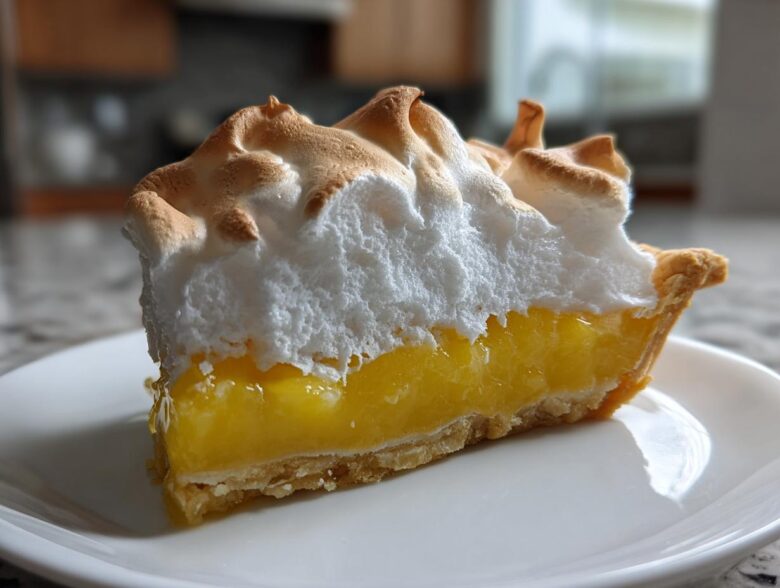
Oh, honey, let’s talk about balance—the tightrope walk between sunshine-bright tartness and that sweet, cloud-like hug of meringue. It’s a delicate dance, right? But I’ve finally cracked the code on making the absolute *best* lemon meringue pie. I kid you not, I have tested this curd consistency and meringue height about a hundred times. I’ve messed up yolks, deflated domes, and had sad, weepy toppings more times than I care to admit. But this version? It keeps its structure, the filling sings with zest, and the topping is unbelievably fluffy. You’re going to love this!
Why This Is the Best Lemon Meringue Recipe You Will Make
I feel like everyone tries to make a lemon meringue pie, but they usually mess up the balance. Either the filling is too sweet and bland, or the meringue caves in five minutes after it leaves the oven. Not ours! This is the ultimate lemon meringue recipe because it nails the two things that matter most. I’ve stopped making excuses for mediocre desserts, and you should too!
- The curd is seriously bright. We’re talking about a wonderful, puckering zing that cuts right through the sweetness of the crust and topping.
- The meringue? It’s like topping your pie with homemade marshmallows that have been perfectly baked. It’s tall, stable, and oh-so-fluffy.
Achieving the Perfect Tangy Lemon Dessert
Seriously, don’t even think about reaching for that bottle of lemon juice concentrate. It dulls everything down! A truly zesty citrus dessert experience means you have to use fresh lemons—both the juice and the zest. That zest is where all the wonderful perfume and sharp flavor lives. Trust me on this one; the extra five minutes of squeezing lemons is the difference between a good pie and one everyone asks for again and again.
Tips for a Fluffy Meringue Topping That Holds Its Shape
If you want that towering, cloud-like meringue, you have to treat your egg whites right. They must be at room temperature—cold whites just won’t whip up properly! And we always use cream of tartar. That little pinch stabilizes everything instantly, helping you get those stiff, glorious peaks that manage to hold their shape even when you try to cut a slice.
Gathering Your Ingredients for Classic Lemon Meringue Pie
Before we even think about turning on the burner, we need to get everything gathered and measured out perfectly. Baking is chemistry, especially when we are dealing with delicate starch thickeners and temperamental egg whites! Precision here means a great end result later, so take your time lining everything up before hopping into the next step. We need three distinct groups of ingredients for this Classic From-Scratch Lemon Meringue Pie: the crust foundation, the zesty filling, and that magnificent, fluffy topping. Make sure you have a standard 9-inch pie plate ready to go—we need that specific size to get the filling-to-crust ratio right!
Ingredients for the From Scratch Lemon Curd Filling
- 1 9-inch unbaked pie crust (your favorite recipe or store-bought)
- 1 1/2 cups granulated sugar
- 1/3 cup cornstarch
- 1/4 teaspoon salt
- 1 1/2 cups cold water
- 4 large egg yolks, lightly beaten
- 1/2 cup fresh lemon juice
- 1 tablespoon lemon zest
- 2 tablespoons unsalted butter
Ingredients for the Fluffy Meringue Topping Recipes
- 6 large egg whites, room temperature
- 1/2 teaspoon cream of tartar
- 1/2 cup granulated sugar (for meringue)
How to Make Lemon Meringue Pie From Scratch
Okay, deep breath! This is where we actually make magic happen. Don’t let all those steps scare you; it’s just a few distinct stages needed to create a perfect lemon meringue pie. The most important thing to keep in mind is timing—especially getting that curd hot and adding the meringue while it’s still steaming. That connection between the hot filling and the cold meringue whites is what stops that awful shrinking or weeping later. Let’s get this show on the road!
Preparing the Crust and Lemon Filling Base
First things first: get that oven preheated to 350 degrees, and make sure your crust is prebaked and totally cooled down. Seriously, a warm crust turns molten filling into soup! Now, grab a saucepan for the filling. Whisk your sugar, cornstarch, and salt until they look like pale yellow sand. Add the cold water slowly, whisking out any lumps. Put it on medium heat and stir, stir, stir until it thickens up like pudding. You have to let it come to a good, rolling boil for a full minute after it thickens—this is non-negotiable! That minute cooks out the starch flavor. Once that minute is up, pull it off the heat!
Tempering Yolks and Finishing the Zesty Lemon Dessert
This next part is crucial if you don’t want yellow specks floating in your beautiful filling. Grab those lightly beaten egg yolks. You must temper them! This means you take just a tiny scoop—maybe half a cup—of that hot sugar mixture and slowly drizzle it into the yolks while whisking like crazy. If you dump it all in, you’ll have lemon scrambled eggs, and nobody wants that! Once they’re introduced gently, pour the tempered yolk mixture back into the main saucepan. Put it back on medium heat, bring it back to that boil for just one more minute, then remove it for good. Stir in that fresh lemon juice, zest, and the butter until it’s all glossy and smooth. Pour that gorgeous, zesty base right into your cooled crust.
Creating the Perfect Meringue Frosting Ideas
Time to whip the heavens! Make sure your bowl is sparkling clean, no grease allowed! Beat those room-temperature egg whites starting on medium speed until they look foamy, then splash in the cream of tartar. Once soft peaks form—they kind of look like little mountain tops that droop—start raining in that last half-cup of sugar, a spoonful at a time. Keep beating until you have stiff, glossy peaks that stand straight up when you lift the beater. Immediately spread that fluffy topping over your *hot* lemon filling, making sure it seals right to the edges of the crust. That seals it in! Bake it for about 12 to 15 minutes until those peaks turn a gorgeous light brown.
Lemon Meringue Pie Hacks for Success
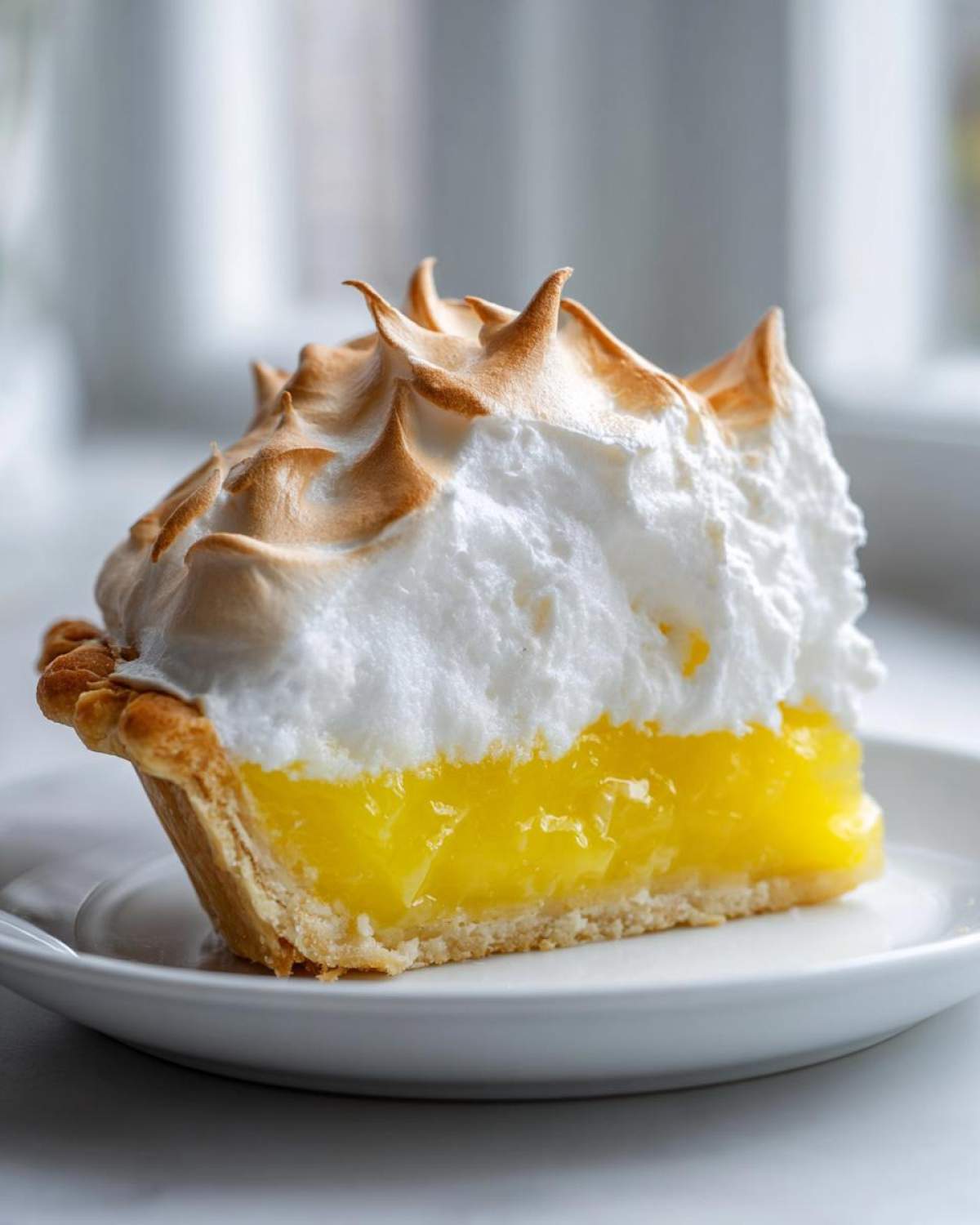
Look, I’ve had plenty of failures in the kitchen, but these quick fixes saved my lemon meringue game forever. If you want a pie that truly stands up to the hype, you need these tricks in your back pocket. The biggest problem people face is that sad, weeping meringue that looks like it’s crying all over the beautiful lemon curd. That usually happens because the filling isn’t hot enough when the meringue goes on, or you refrigerate it too fast!
Here are my non-negotiable rules:
- Always use fresh lemon juice—I can’t stress this enough for that intense zing!
- When you spread the meringue, give it a little ‘hug’ against the edge of the crust all the way around. This seals it completely and prevents shrinking while baking.
- Cool your pie completely on the counter, not in the fridge, for at least four hours. This lets that heat disperse slowly, which is key to avoiding weeping.
Storage and Reheating Instructions for Your Lemon Meringue
This is where so many bakers mess up their beautiful creation! Seriously, don’t ruin a perfect pie by rushing it into a cold fridge. Since we’ve crowned this beauty with that glorious meringue, temperature control is everything. If you try to pop your finished lemon meringue pie into the refrigerator right after it comes out of the oven, you are practically guaranteeing that weeping layer of sugary liquid will slide down your filling. We need to let that heat dissipate slowly so the meringue sets up properly.
Here’s the deal: let it cool down completely on the counter. I mean, walk away from it for at least four hours, or until it’s totally room temperature. Only once it’s cooled down on the wire rack can it go into a container in the fridge. It should hold up beautifully for about three days in the cold, but honestly, it’s best enjoyed within the first 24 hours—that’s when the meringue is at its peak fluffiness.
And please, don’t even bother reheating this! It’s a dessert meant to be served cool or at room temperature. Trying to warm up a slice of lemon meringue just melts the structure and makes everything soggy. Just slice it cold, and serve it slightly chilled. Perfection!
Ingredient Notes and Substitutions for Sweet and Tart Baking
I always tell people that figuring out the right ingredients is half the battle, especially when you’re aiming for that bright, sweet and tart baking profile we love. This recipe relies on a few specific items being absolutely right, but I’ve also learned a couple of things you can swap out if you’re missing something in your pantry.
Let me start by hammering home the lemon situation. If I see one more person try to use bottled juice in a recipe that calls for fresh, I might just scream! Bottled juice has preservatives and a dull flavor profile. For a truly vibrant, zesty experience, you need that fresh juice—it’s where the complexity comes from. It just tastes cleaner and brighter, which is what you need to fight through all that sugar.
Now, about that meringue. Why do we bother with the cream of tartar? Well, it’s a little acid and stabilizer that goes a long way. Egg whites are mostly protein and water, and the cream of tartar helps the proteins stay organized when they’re whipping up, creating those tight, stable structures we love. If you don’t have it on hand, you can technically substitute it with about half a teaspoon of distilled white vinegar, though I prefer the tartar because it doesn’t add nearly any flavor you might have to fight off later.
For the fat in the filling, I always insist on unsalted butter. The reason is simple: control! We already added salt to the base starch mixture, so if you use salted butter, you have no idea how much sodium you’re actually dumping in. If you only have salted, just omit the extra salt called for in the dry mixture. Oh, and if you run out of butter? Margarine is a terrible swap here because it has a higher water content and it’ll mess with the emulsification of the curd as it cools. Stick to butter or maybe even a high-quality vegetable shortening if you absolutely must, but truly, butter is king for richness.
Serving Suggestions for This Showstopper Dessert
After all that hard work whipping up the filling and getting that meringue just right, you want to make sure you serve this stunning creation up right! A beautiful showstopper dessert like this doesn’t need much help, but the right pairing can take it from amazing to unforgettable. Since the pie itself is so rich, intensely flavored, and beautifully sweet and tart, I always suggest thinking light and fresh for everything else on the plate.
Perfect Pairings for Summer Lemon Desserts
When I serve this pie in the warmer months, often as one of my favorite summer lemon desserts, I keep the sides incredibly simple. A little dusting of powdered sugar is lovely, but sometimes I’ll use a tiny drizzle of raspberry coulis, just a thin ribbon across the plate that hardly touches the pie. The slight berry tartness complements the lemon beautifully without competing with the meringue.
Another thing I’ve done for parties is serve it alongside very fresh mint leaves. Just a sprig adds a lovely green pop for presentation and a tiny bit of cool aroma as you eat. Don’t overcomplicate it, though! This pie is the star; everything else is just the backup dancers.
Making it Great for Baking for Parties
If you are planning on baking for parties, you have a couple of fun options beyond the standard slice. If you made this pie in mini-tart shells instead of one giant crust, they look absolutely adorable on a tiered platter!
If you’re serving it as the grand finale to a big meal, I promise you, people won’t need anything else. But if you absolutely must have another sweet option available, think contrasting textures. Maybe a bowl of very lightly sweetened whipped cream on the side for people who want a little buffer between the tartness and their mouth. Or, if you need a completely different flavor profile, a small platter of dark chocolate-dipped strawberries contrasts wonderfully with the bright citrus.
The key is remembering that this lemon meringue pie already brings the rich, the sweet, and the tart all in one glorious slice. Keep the additions light!
Frequently Asked Questions About Lemon Meringue
We all have those little baking panics, don’t we? I know I do! Sometimes recipes sound perfect on paper, but then you run into strange texture problems mid-bake. I’ve gathered the questions I get asked most often about achieving that stunning lemon meringue finish, especially focusing on texture and avoiding those classic pitfalls. You got this!
Can I use a store-bought crust for my lemon meringue?
Listen, I get it. Sometimes life is hectic, and getting a perfect pie crust done from scratch feels like climbing Everest! The answer is absolutely yes, you can use a store-bought crust. It will save you about 30 minutes of time, and frankly, a good quality, pre-baked shell works fine for the filling. However, if you are truly going for the ultimate From Scratch Lemon Meringue experience, a homemade crust just has that buttery flakiness that completes the whole package. But don’t feel pressured! If the store-bought crust gets you that amazing slice of pie, I won’t tell anyone your secret!
Why is my meringue sinking after baking?
Oh, that dreaded deflation! It’s heartbreaking when you pull out a tall, proud mountain of meringue and 20 minutes later it looks like a sad, deflated balloon. Most of the time, this is a temperature issue concerning the filling underneath. If your lemon filling isn’t piping hot when you spread the meringue on, the meringue starts cooling down too fast, and that creates a gap between the two layers instead of a solid bond. That weak bond means the whole topping sinks as it bakes and cools.
The other common issue is just not baking it long enough. You need to bake it until the peaks are golden brown; this dries the exterior structure and helps stabilize the whole topping. If the curd underneath is undercooked, it’s also too loose inside the shell and can’t support the weight of the fluffy topping. So, always make sure that curd comes back to that boil, and always spread the meringue onto the hot filling. That’s your insurance policy against shrinkage!
How do I get my meringue to stop weeping clear liquid?
Weeping is the absolute worst, and it usually comes down to one of two things: humidity or temperature shock! If your kitchen is very humid, the sugar in the meringue starts attracting moisture from the air right away. To fight that, make sure you are adding that cream of tartar—it’s non-negotiable for stability.
The biggest culprit, though, is cooling. If you put a hot pie straight into a cold refrigerator, the rapid temperature change forces the moisture trapped inside the meringue layer to condense, and that puddle forms on top. You must let your Fluffy Meringue Topping Recipes cool completely and slowly on the counter before you even think about covering it or putting it in the cold!
Can I use a different citrus juice instead of lemon?
That is a great question if you are looking for a fun Zesty Citrus Dessert variation! Technically, yes, you can substitute lime juice for lemon juice to make a lime meringue pie, but you have to be careful with the ratios. Lime juice is often more acidic than lemon juice. If you swap it cup-for-cup, your curd might curdle because the acid might be too strong for the egg yolks. I’d start by dropping the lime juice amount by about 10 to 15 percent and tasting the filling before you temper the yolks. If you want to make a mixed citrus pie, use half lemon and half orange juice. Orange juice is much sweeter and adds a lovely floral note without the intense acid kick of lime.
Estimated Nutritional Data for Lemon Meringue Pie
Now, I’m not a nutritionist, so please take this section with a big grain of salt—or maybe a big slice of pie! These numbers are just an estimate based on the standard ingredients I used here for this stunning lemon meringue pie recipe. I calculated this based on 8 generous slices, which is how I always cut mine when Baking for Parties. If you use a store-bought crust or change the amount of sugar in your meringue, these numbers might shift around a little bit, but it gives you a general idea of what you’re diving into when you enjoy this sweet treat.
- Serving Size: 1 slice
- Estimated Calories: 380
- Total Fat: 15g (Saturated Fat: 6g)
- Carbohydrates: 60g
- Sugar: 45g (Yes, it’s high in sugar, but hello, meringue!)
- Protein: 6g
- Cholesterol: Around 110mg
Honestly, when something tastes this good, I try not to dwell too much on the numbers! It’s a dessert meant to be savored, especially after a nice big dinner. Just know that every calorie is packed with that wonderful combination of tangy citrus and fluffy goodness!
PrintClassic From-Scratch Lemon Meringue Pie

Make a classic lemon meringue pie with a tart, homemade lemon curd filling and a tall, fluffy meringue topping.
- Prep Time: 30 min
- Cook Time: 45 min
- Total Time: 5 hours 15 min
- Yield: 8 servings
- Category: Dessert
- Method: Baking
- Cuisine: American
- Diet: Vegetarian
Ingredients
- 1 9-inch unbaked pie crust
- 1 1/2 cups granulated sugar
- 1/3 cup cornstarch
- 1/4 teaspoon salt
- 1 1/2 cups cold water
- 4 large egg yolks, lightly beaten
- 1/2 cup fresh lemon juice
- 1 tablespoon lemon zest
- 2 tablespoons unsalted butter
- 6 large egg whites, room temperature
- 1/2 teaspoon cream of tartar
- 1/2 cup granulated sugar (for meringue)
Instructions
- Preheat your oven to 350 degrees Fahrenheit. Bake the pie crust according to package directions or your preferred recipe until lightly golden. Cool completely.
- For the filling, whisk together 1 1/2 cups sugar, cornstarch, and salt in a medium saucepan. Gradually whisk in the cold water until smooth.
- Cook the mixture over medium heat, stirring constantly, until it thickens significantly and begins to bubble. Boil for one minute, stirring constantly. Remove from heat.
- In a separate bowl, whisk the egg yolks lightly. Slowly temper the hot sugar mixture into the yolks, whisking constantly to prevent scrambling.
- Return the entire mixture to the saucepan. Cook over medium heat, stirring constantly, until the mixture returns to a boil and thickens again. Boil for one minute. Remove from heat.
- Stir in the lemon juice, zest, and butter until the butter melts completely. Pour the hot lemon filling into the cooled, prebaked pie crust.
- For the meringue, beat the egg whites and cream of tartar in a clean, dry bowl with an electric mixer until soft peaks form. Gradually add the 1/2 cup of sugar, beating until stiff, glossy peaks form.
- Spread the meringue over the hot lemon filling, making sure the meringue touches the edges of the crust all around to prevent shrinking. Create decorative swirls with the back of a spoon.
- Bake at 350 degrees Fahrenheit for 12 to 15 minutes, or until the meringue peaks are lightly golden brown.
- Cool the pie completely on a wire rack at room temperature for at least 4 hours before slicing. Avoid placing it in the refrigerator immediately, as this can cause the meringue to weep.
Notes
- Use fresh lemon juice for the best tart flavor.
- Ensure your mixing bowl and whisk attachments are completely free of grease when making the meringue for maximum volume.
- To prevent the meringue from weeping, ensure the lemon filling is hot when you add the meringue topping.
Nutrition
- Serving Size: 1 slice
- Calories: 380
- Sugar: 45
- Sodium: 150
- Fat: 15
- Saturated Fat: 6
- Unsaturated Fat: 9
- Trans Fat: 0
- Carbohydrates: 60
- Fiber: 1
- Protein: 6
- Cholesterol: 110